Family of Brands
Plenty of products get called germ killers, but only some are proven to kill germs and bacteria. Heat, vinegar, alcohol, soap, and anti-germ cleaners or sprays all behave differently on a surface, and what works on a kitchen counter may not work in the laundry. We’ve gathered practical tips on what kills germs and bacteria, where they collect around the house, and how to choose the right cleaner or disinfectant without guessing.


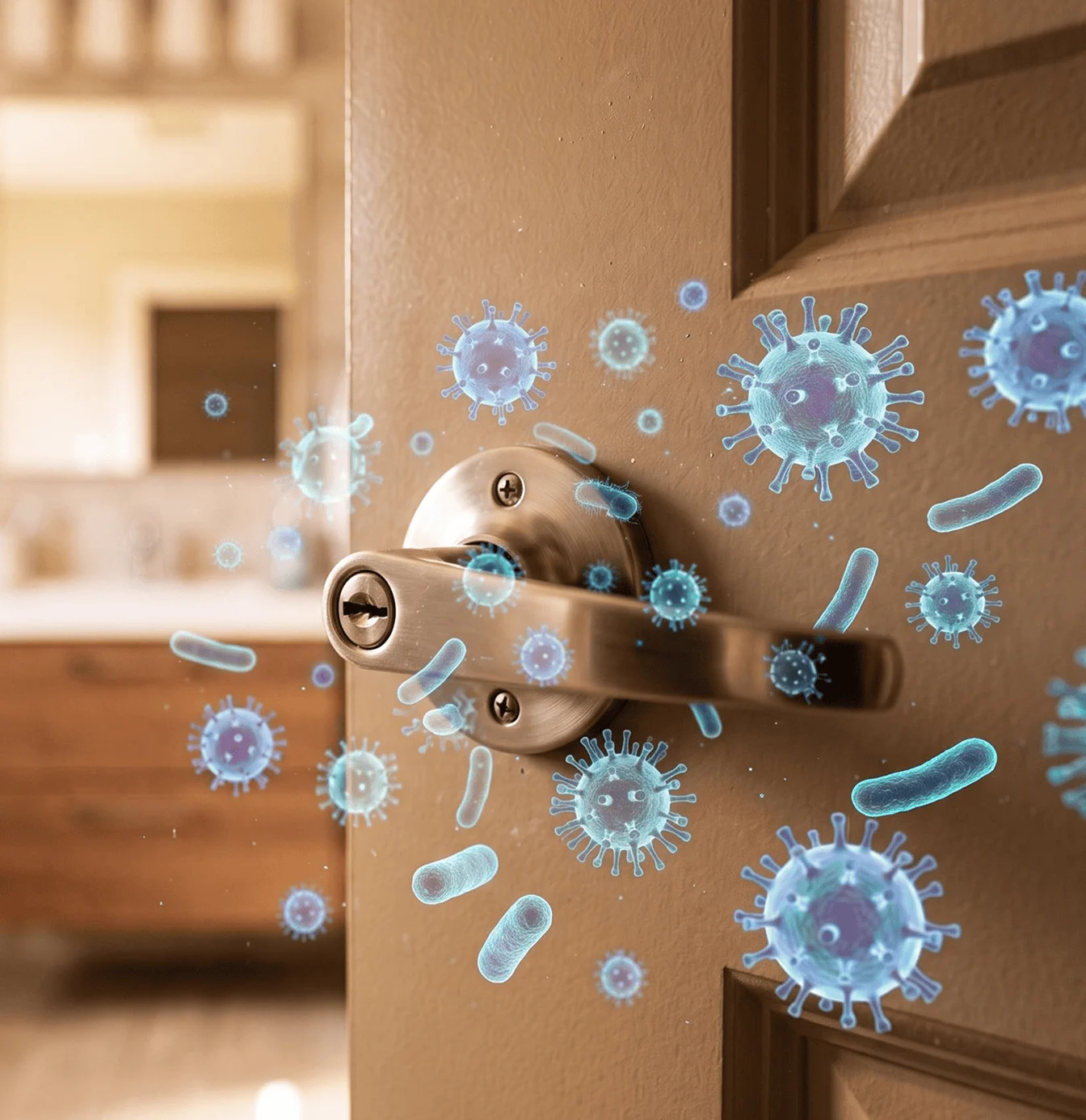

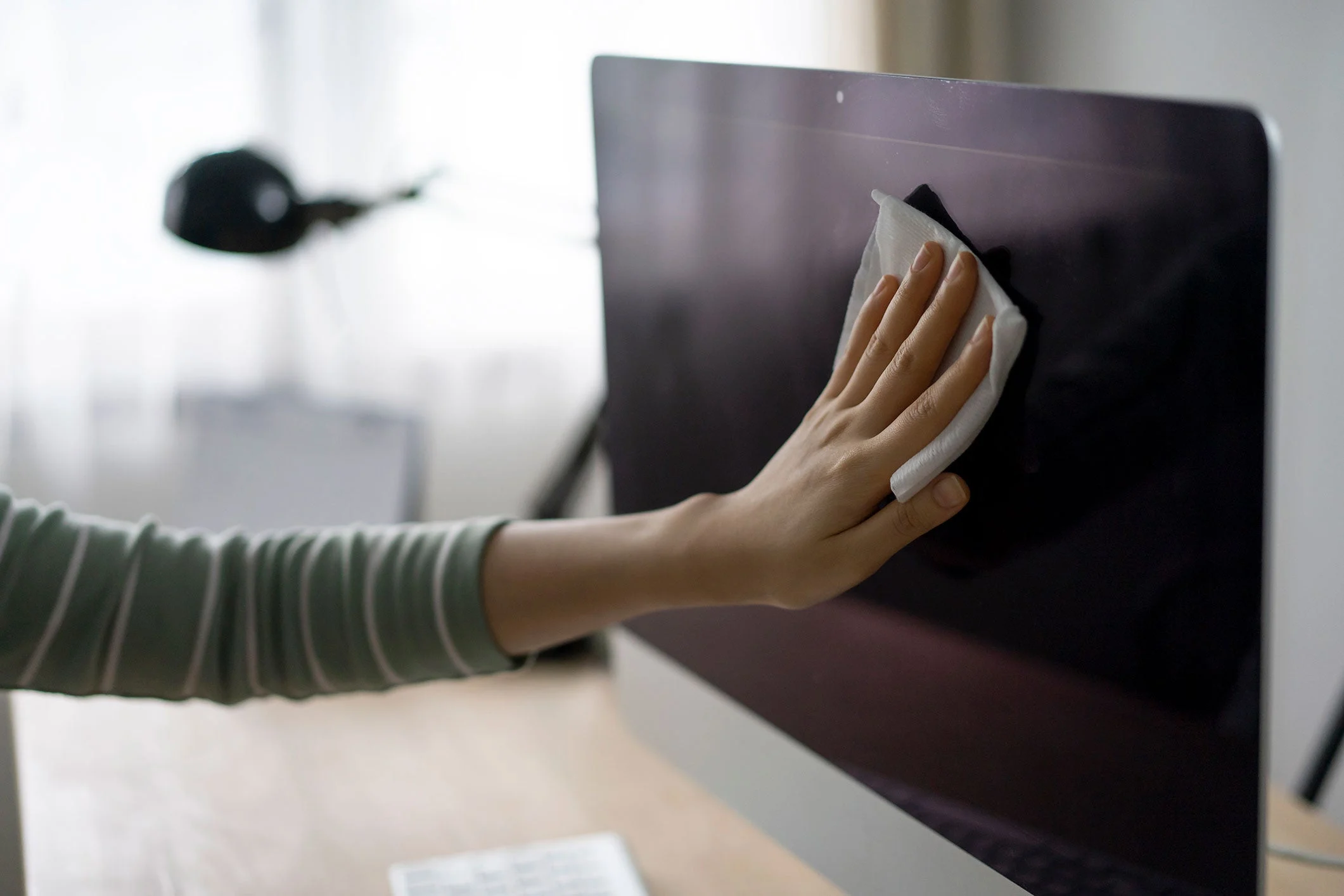
Clean the surface first, then disinfect, because dirt and grease get in the way of the disinfectant.

Look for an EPA-registered disinfectant and check its label for the organisms it is proven against.

Keep the surface visibly wet for the full contact time on the label, then let it air dry.

Disinfect hard, nonporous surfaces and sanitize soft ones like fabric, following the label for each.

Never mix bleach with ammonia, vinegar or other cleaners, since the combination releases harmful fumes.
Featured Topic
Discover which household methods are proven to kill germs and which only clean, from bleach and alcohol to hot water, vinegar and dish soap, so you know what to reach for and when.
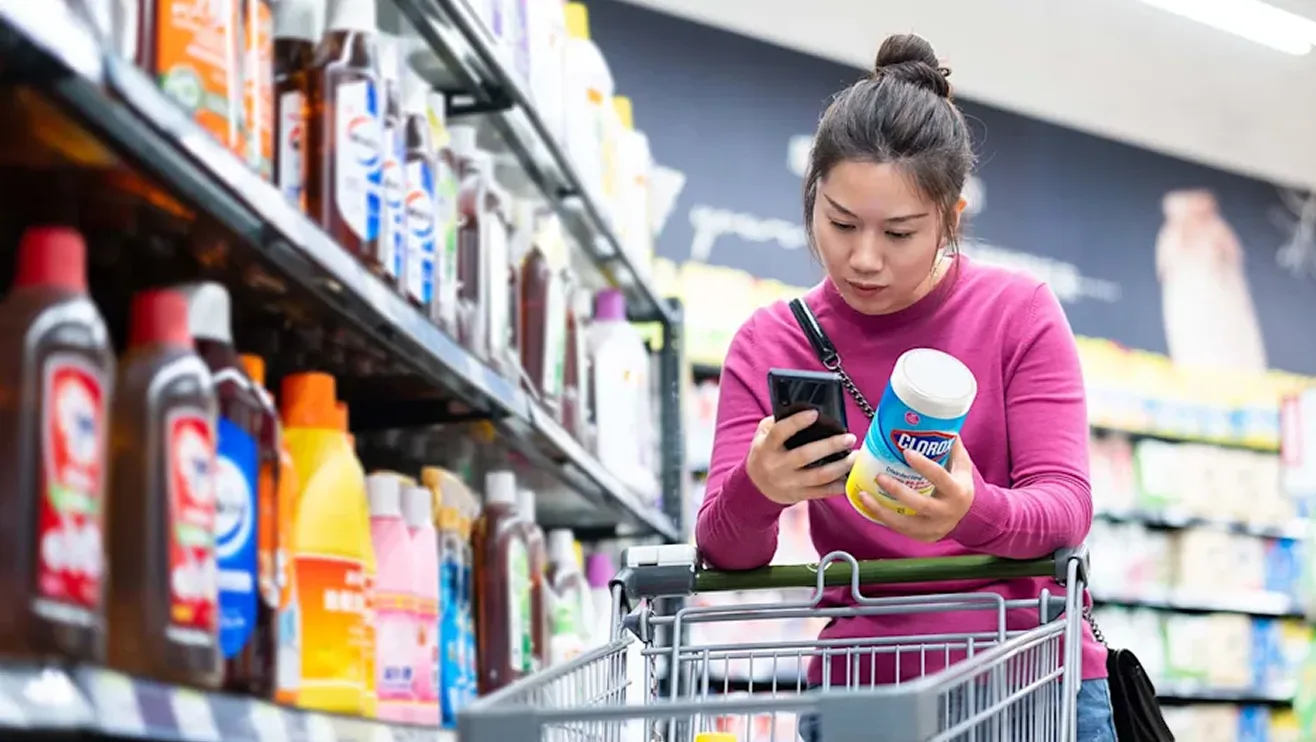





Yes. When used as directed for disinfection, bleach can kill many types of germs, including bacteria and viruses, on hard, nonporous surfaces. Learn more about how bleach kills germs, bacteria and viruses.
Germs is a general term for microorganisms that can cause illness, including bacteria, viruses and fungi. Bacteria are one type of germ, which is why disinfectant labels list the specific organisms a product is approved to kill.