 Family of Brands
This guide breaks down what bleach is, how it works, and why Clorox™ Bleach stands apart from other brands.
Trusted for generations to clean, whiten and disinfect, bleach is a household staple — but many people don’t know what it’s made of or how it works. At Clorox, we believe in making cleaning simple, safe and effective.
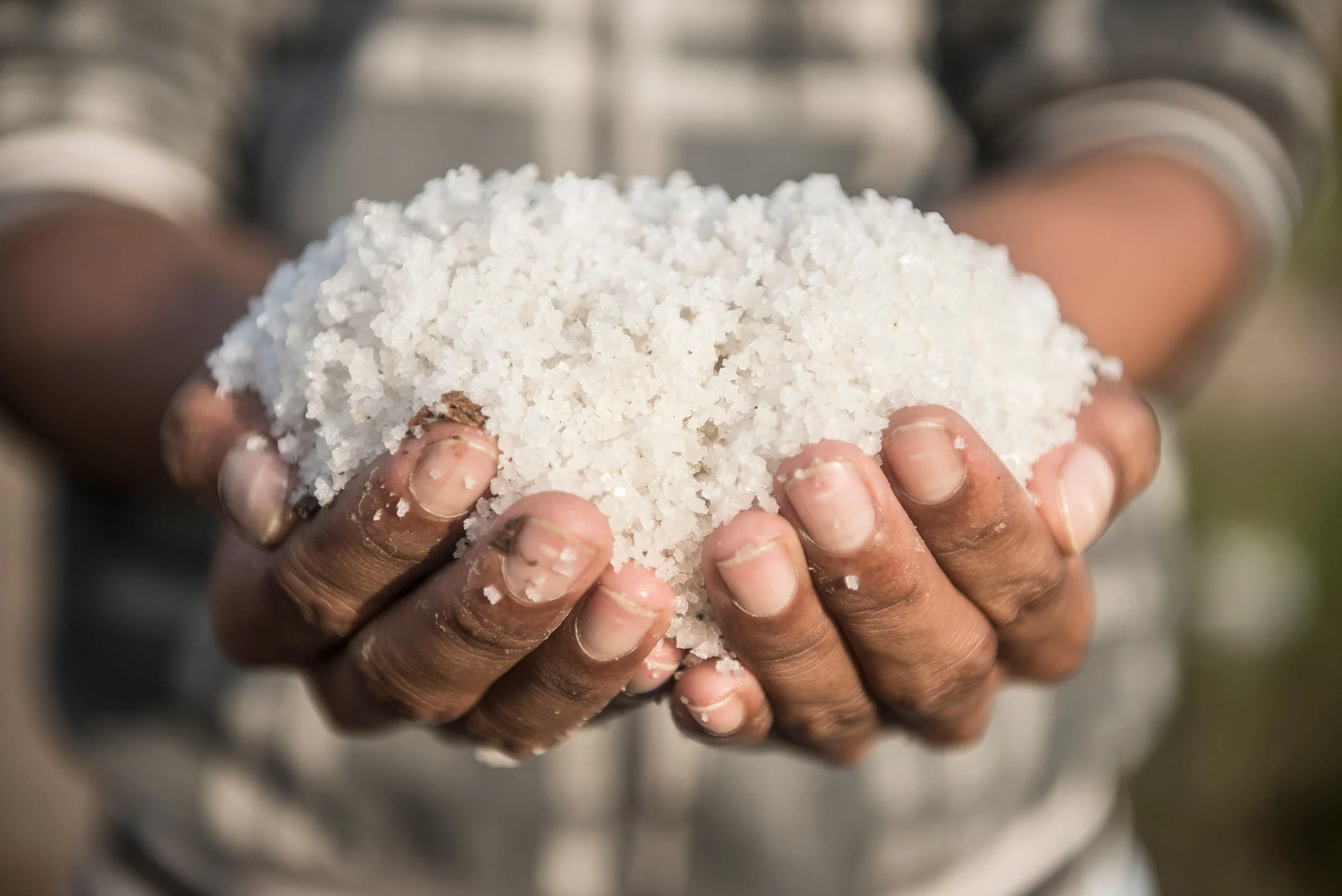
While Clorox™ bleach is a powerful disinfectant that kills 99.9% of germs, bacteria and viruses, many are surprised to learn that it begins and ends as salt water. It’s why bleach is so widely trusted for cleaning, whitening and sanitizing surfaces and fabrics. In fact, Clorox™ Disinfecting Bleach, Clorox™ Germicidal Bleach and Clorox™ Performance Bleach are EPA-registered and safe for cleaning when used as directed.
The active ingredient in Clorox™ Disinfecting Bleach is sodium hypochlorite. Other ingredients include water, sodium chloride (salt) and small amounts of sodium carbonate and sodium hydroxide to stabilize the solution. Bleach can refer to different types of chemical cleaners:
| Type of Bleach | Active Ingredient | Common Use Cases |
|---|---|---|
| Chlorine bleach | Sodium hypochlorite | Disinfection, whitening, mold removal |
| Oxygen bleach | Hydrogen peroxide | Color-safe laundry, stain removal |
| Non-chlorine bleach | Sodium percarbonate | Gentle cleaning, color-safe fabrics |
Bleach works through oxidation, breaking down organic matter like bacteria, viruses and stains. When applied to a hard, nonporous surface, bleach begins disinfecting immediately and typically requires a contact time of 10 minutes to kill germs effectively. For laundry, bleach starts working as soon as it mixes with water and detergent.
Bleach comes in several forms, each designed for specific cleaning, whitening or disinfecting needs. Understanding the differences between types, such as chlorine bleach, oxygen bleach and non-chlorine alternatives can help you choose the right product. The chart below breaks down key characteristics, benefits and considerations for each type of bleach.
| Type | Key Benefit | Best For |
|---|---|---|
| Clorox™ Disinfecting Bleach | Kills 99.9% of germs, whitens, deodorizes | Disinfection (hard, nonporous surfaces), general cleaning, white laundry |
| Clorox™ Scentiva™ Bleach | Adds superior fragrance to cleaning & laundry occasions | General cleaning, white laundry |
| Clorox™ No-Splash Bleach | Thicker formula for controlled pour | General cleaning, white laundry |
| Clorox 2™ for Colors Laundry & Fabric Stain Remover | Bleach-free tough stain remover, for sensitive skin* and safe for colors | Colorful laundry and delicate fabrics |
| Clorox™ Outdoor Bleach | Thicker formula for vertical surfaces. Anti-corrosive formula compatible with pump sprayers | Home/shed exteriors and outdoor areas |
| Clorox™ Zero Splash™ Laundry Bleach Packs™ | Pre-dosed, lightweight, no-splash bleach experience | White laundry, general cleaning |
| Clorox™ Concentrated Bleach Powder | Lightweight, small to store, great value — makes 60 gallons of bleach solution | White laundry, general cleaning |
| Clorox™ Germicidal Bleach | Antifungal disinfectant that kills 99.9% of viruses and bacteria† | Disinfection (hard, nonporous surfaces), general cleaning, especially small business or commercial use |
| Clorox™ Performance Bleach | Cleans, whitens, brightens and removes odors | Disinfection (hard, nonporous surfaces), white laundry, general cleaning |
Yes. Clorox™ Disinfecting Bleach, Clorox™ Germicidal Bleach and Clorox™ Performance Bleach are EPA-registered disinfectants proven to kill 99.9% of bacteria and viruses, including influenza, coronavirus, salmonella and staph. It’s trusted in homes, hospitals, businesses and schools for its germ-killing power.
Clorox™ bleach is formulated with added stabilizers for longer shelf life and is filtered three times for purity. Generic brands may contain similar ingredients but often lack the same level of testing, consistency, EPA registration and scent experience.
| Feature | Clorox™ Disinfecting Bleach | Generic Bleach |
|---|---|---|
| EPA registration | Yes | Varies |
| Stabilizers | Yes | Often absent |
| Shelf life | 1 year (with stability) | Varies |
| Purity | Triple-filtered | Not guaranteed |
Bleach is safe when used as directed. Always dilute properly, ventilate your space and never mix bleach with other cleaners. For a full guide, visit our Bleach Do’s & Don’ts page.
Bleach is a disinfectant, not an antiseptic. It’s designed to kill germs on hard, nonporous surfaces like countertops, floors and bathroom fixtures. It should not be used on wounds, as it can cause irritation or damage.
While many products are thought to disinfect surfaces, it’s important to choose an EPA-registered disinfectant such as Clorox™ Disinfecting Bleach to ensure results. Clorox also offers bleach-free products for laundry and home cleaning.
Bleach disinfects, meaning it kills most bacteria, viruses and fungi on hard, nonporous surfaces. Sanitizing reduces the number of germs but doesn’t eliminate as many germs as disinfecting does. For thorough cleaning, bleach is used as a disinfectant to effectively kill harmful pathogens. Learn the difference between cleaning, sanitizing and disinfecting.
Most household bleach, like Clorox, is a clear to slightly yellowish liquid. Its clarity can vary slightly depending on the brand and formulation, but it is generally transparent. Always check the product label for specific details and storage instructions.
If you inhale too much bleach, move to fresh air. Breathing in too much bleach can cause coughing, chest tightness or shortness of breath. In some cases, it may irritate your lungs or throat. It’s always safest to follow dilution instructions, avoid inhaling fumes, and use bleach in a well-ventilated area.
If bleach gets on your skin, rinse the area immediately with cool, running water for at least 10–15 minutes. Then wash gently with mild soap and water. Avoid scrubbing and dry the area carefully. If irritation, redness or blistering continues, seek medical attention. Always wear gloves as directed.
Garments laundered with product as directed
Avian Influenza A Virus (H7N9), Herpes Simplex Virus Type 2, Newcastle Disease Virus, Respiratory Syncytial Virus (RSV), Measles Virus, Mumps Virus, Adenovirus Type 2, Hepatitis Type A Virus, Poliovirus Type 1, Feline Calicivirus (as surrogate for Norovirus Virus), on hard, nonporous surfaces, when used as directed.