Family of Brands

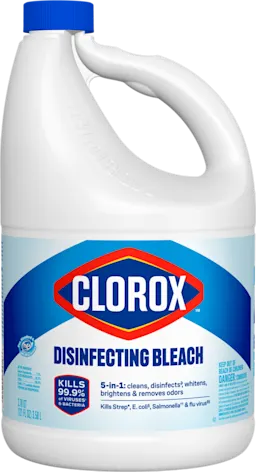
Bathtubs and showers can quickly collect soap scum, grime, hard water stains and everyday dirt, making them look dull and harder to clean over time. With regular care, you can keep these surfaces looking fresher while also reducing buildup and germs on hard, nonporous areas. Clorox™ Disinfecting Bleach can help clean and disinfect when used as directed, making it a simple option for tackling both routine cleaning and tougher bathroom messes.
Taking a shower or hot bath should be relaxing, not stressful. Clorox™ Disinfecting Bleach kills 99.9% of germs, making it the perfect choice to clean and disinfect the bathroom so you can enjoy the space. Using a bleach and water solution in the tub or shower is simple. Just use our easy-to-follow steps and you’ll be ready for a good long soak in the tub in no time.
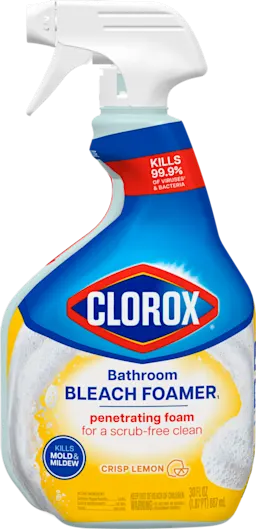
If you want a germ-killing cleaning solution with the convenience of a ready-to-use spray, try Clorox™ Bathroom Bleach Foamer for tough jobs. Just remove excess dirt and spray Clorox™ Bathroom Bleach Foamer 4-6 inches from the surface until thoroughly wet. Let stand for 5 minutes, then rinse or wipe clean. The trusted disinfecting power you need, all in a convenient spray.
Bathtubs and showers should be cleaned regularly to prevent soap scum, grime and stains from building up over time. In most homes, a weekly cleaning is enough to maintain fresh surfaces. Disinfecting should be done on a regular basis as well, particularly after illness or whenever extra germ control is needed.
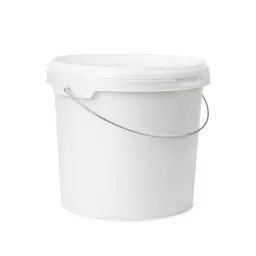
Plastic bucket

Protective gloves
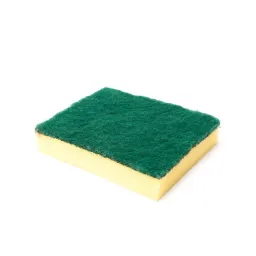
Sponge or scrub brush

Clean water for rinsing
Remove shampoo bottles, soap dishes, bath toys and other items from the tub and shower. Rinse surfaces with warm water to loosen dirt and debris.
Fill a plastic bucket with 1 gallon cool water, then add 1/3 cup Clorox™ Disinfecting Bleach. Wear protective gloves and clothing. Or, for a germ-killing cleaning solution with the convenience of a ready-to-use spray, use Clorox™ Bathroom Bleach Foamer.
Use a sponge or brush to scrub the tub, shower walls, grout lines and fixtures. Pay extra attention to areas with visible soap scum, stains or buildup.
For disinfecting, allow the solution to contact all surfaces for 6 minutes.
Empty the bucket and then refill it with clean water. Use this to rinse any areas water from the showerhead won’t reach, then let surfaces air dry. Once the bathtub or shower has dried, replace the items that were removed prior to cleaning.
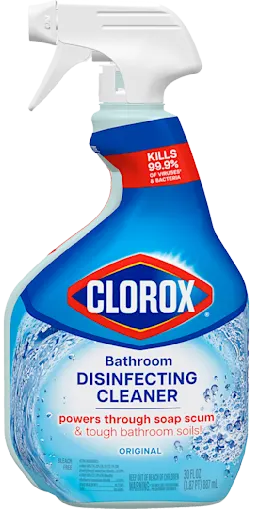
To disinfect and sanitize a bathtub or shower, start by cleaning away visible dirt, soap scum, and residue so the disinfectant can contact the surface effectively. For bleach-safe, hard, nonporous surfaces, use Clorox™ Disinfecting Bleach or Clorox™ Bathroom Bleach Foamer according to the product label to disinfect. For a bleach-free option, choose Clorox™ Disinfecting Bathroom Cleaner to tackle soap scum and germs. Always follow the product's required contact time to ensure effective disinfection before rinsing or wiping, if directed.
If your bathtub or shower has stubborn stains, soap scum or mold and mildew stains, Clorox™ Disinfecting Bleach can clean bleach-safe, hard, nonporous surfaces when used according to the product label. A properly diluted bleach solution helps deodorize a bathtub and remove tough bathroom stains while also disinfecting. Whether you're looking for how to clean a bathtub with bleach, how to clean a shower with bleach, or how to make a bathtub sparkle again, regular cleaning can help keep your shower and bathtub looking cleaner between deep cleans.
| Cleaner | Best for | Disinfects? | Sanitizes? |
|---|---|---|---|
| Clorox™ Disinfecting Bleach | Disinfecting showers and bathtubs while removing mold, mildew stains, and soap scum | Yes | Yes |
| Clorox™ Disinfecting Bathroom Cleaner | Everyday cleaning and targeting soap scum on shower walls, tubs, sinks, and bathroom fixtures | Yes | Yes |
| White vinegar | Dissolving hard water stains and mineral deposits | No | No |
| Baking soda | Gentle scrubbing of soap scum and surface stains | No | No |
| Hydrogen peroxide (3%) | Spot treating mildew stains and helping brighten grout | Partial | Partial |
The best way to clean a bathtub and shower depends on the type of buildup and whether you also want to disinfect the surface. When used as directed, Clorox™ Disinfecting Bleach helps clean and disinfect hard, nonporous bathroom surfaces in one step.
Start by removing loose dirt, then clean tile and grout with an appropriate cleaner for the surface. For step-by-step instructions on cleaning grout, see How to Clean Grout Stains, and for guidance on cleaning and disinfecting tile floors, visit How to Clean Tile Floors. Cleaning tile and grout regularly helps prevent soap scum, stains and grime from building up over time.
Not every potential surface in a bathroom is safe for bleach, especially marble and unsealed tile. If you don't remember what products the manufacturer recommended, check back with them for advice on how to disinfect their material.
Yes, Clorox™ Bathroom Bleach Foamer is great for cleaning most hard, nonporous surfaces when used as directed. Start by removing excess dirt, then spray Clorox™ Bathroom Bleach Foamer 4-6 inches from the surface until thoroughly wet. Let stand for 5 minutes, then rinse or wipe clean.
When using a diluted bleach solution (1/3 cup Clorox™ Disinfecting Bleach per gallon of water), allow the solution to contact all surfaces for 6 minutes for disinfection. Always follow the product label directions.
Yes. Clorox™ Disinfecting Bleach kills 99.9% of germs on hard, nonporous surfaces when used as directed, including bacteria and viruses. It can also be used in hospitals to effectively disinfect against a broad spectrum of pathogens.