 Family of Brands
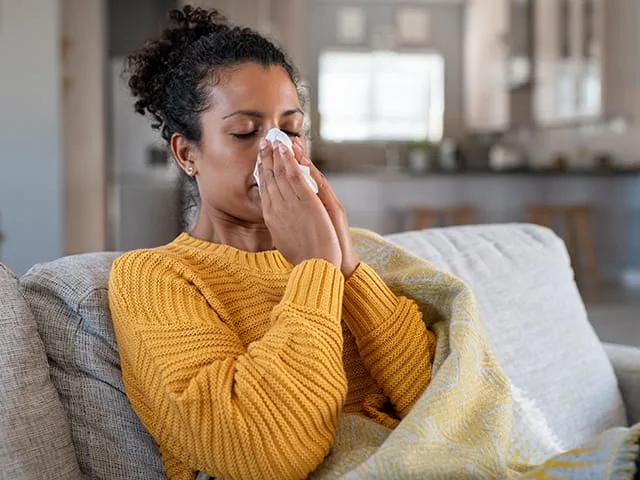
After having the flu, knowing when it’s safe to return to school or work is essential for both recovery and helping prevent the spread of illness. Going back too early can infect others and delay your recovery, while staying home too long can unnecessarily disrupt routines. The key is understanding when you’re no longer contagious and well enough to resume normal activities.
Before returning to your normal routine, it helps to quickly confirm you’re ready:
Most health experts agree on a simple baseline: you should stay home until at least 24 hours after your fever is gone without using fever-reducing medication.
Typical timeline for staying home with the flu:
Even after symptoms improve, it’s important to fully recover before returning to normal routines, as fatigue may last two weeks or more.2 Even with cases that feel milder, allowing extra time to recover helps support a smoother return to daily activities.
The decision to return to work or school comes down to a combination of symptom improvement and reduced contagiousness.
In most cases, it’s safe to go back when:
Kids often need a bit more recovery time than adults. Even after symptoms start to improve, low energy levels can make a full day of school difficult. Dr. Michael Milobsky, board certified pediatrician says, “As a pediatrician, I always tell parents: don’t just watch the fever, watch your kid’s energy. A child can be fever-free and still not have the stamina to get through a full school day, and sending them back too soon almost always backfires. Once symptoms are clearly improving and they’re back to eating, drinking, playing, and acting like themselves, that’s usually your green light and I always recommend a good wipe-down of shared surfaces at home before everyone’s back in the mix."
Kids can typically return to school when they meet all of the following:
It’s important to avoid returning too early. Sending a child back before they’re ready increases the risk of spreading illness and prolonging recovery.3 Parents should also consider school policies, which may have specific guidelines about returning after illness.
Most people are contagious starting about a day before symptoms appear, which is why the flu spreads easily in schools and workplaces. The highest risk of transmission typically occurs during the first three days of illness, when symptoms are most severe.3
In many cases, people remain contagious for about 5 to 7 days after symptoms begin, though children can sometimes spread the virus longer.2
Rule of thumb: The risk drops significantly once your fever has been gone for 24 hours and symptoms are improving.1 However, it’s still important to be cautious in shared environments like classrooms and offices.
According to the Centers for Disease Control and Prevention (CDC), people with the flu should stay home while they are sick and limit contact with others.3
The CDC recommends returning to normal activities only after being fever-free for at least 24 hours without medication. They also advise staying home if symptoms like vomiting, severe fatigue or ongoing discomfort would make it difficult to function normally.3
These guidelines apply broadly to both schools and workplaces and are designed to help reduce the spread of illness in shared environments.
Even after symptoms improve, flu germs can linger on surfaces around your home. The virus can survive for up to 24–48 hours on commonly touched items, making cleaning an important step before returning to school or work.4
Using Clorox™ Disinfecting Wipes, focus on disinfecting high-touch surfaces like doorknobs, light switches, phones, desks and bathroom fixtures.
Consistent cleaning can help reduce the risk of spreading the flu within your household surfaces. If you’re disinfecting your home after the flu, prioritizing frequently touched surfaces and shared spaces is key. For more detailed steps, see our guide for How to Disinfect Your Home After the Flu.
It’s best to stay home if you have the flu, especially if you have a fever or active symptoms, to avoid spreading illness to others.
You may still be contagious for a short time after your fever breaks, but the risk is much lower once you’ve been fever-free for 24 hours and symptoms are improving.
Children should stay home from school while they have symptoms and can return once they are fever-free for at least 24 hours and feeling well enough to participate.
You can typically go out once your fever has been gone for at least 24 hours without medication and your symptoms are improving.
A mild, improving cough alone may be okay, but if other symptoms are present or your child isn’t feeling well, it’s best to keep them home until they’ve recovered more fully.