Family of Brands

Doing laundry in college is often one of the first independent tasks students have to manage, and it can feel confusing at first, especially in a shared dorm laundry room. Once you understand the basics though, it becomes a simple routine. This guide will walk you through how to sort clothes, choose the right wash settings, and how to use the right laundry products with confidence.
Taking a few minutes to sort laundry can help prevent color bleeding, shrinking and fabric damage.
Separate lights and darks
Wash white and light-colored clothing separately from dark or brightly colored items. This helps prevent dyes from transferring and keeps lighter clothes looking their best.
Separate towels and bedding
Towels, sheets and blankets are often heavier than everyday clothing. Washing them separately can improve cleaning performance and help prevent overloading the machine.
Check clothing care labels
Before washing any item, check the care label for specific instructions. It's important to know what laundry symbols mean to properly care for your laundry.
| Item | Wash Setting |
|---|---|
| T-shirts | Cold, normal cycle |
| Jeans | Cold, normal cycle |
| Towels | Warm, bulky cycle |
| Delicates | Cold, delicate cycle |
| Sheets | Hot, normal cycle |
| Shoes | Cold, delicate cycle |
Laundry detergent
Laundry bag or basket
Dryer sheets or fabric softener (optional)
• Quarters or a laundry payment app
Empty all pockets and remove any items left inside. Zip up jackets and pants to prevent snagging and damage during the wash cycle.
Place clothes loosely in the washer rather than packing them tightly. Overloading the machine can prevent clothes from getting fully cleaned and may increase wear on fabrics.
First use the amount of detergent recommended on the product label into the detergent dispenser. Then pick the best additive for your needs:
Most everyday clothing can be washed using cold water and a normal cycle. Cold water helps protect colors, reduce shrinking and save energy.
Double-check that the machine settings are correct before starting the washer. Once the cycle begins, set a timer on your phone so you remember to return when it's finished.
Transfer clothes to the dryer as soon as possible after the wash cycle ends. Leaving wet clothing in the washer for too long can lead to unpleasant odors and mildew growth.
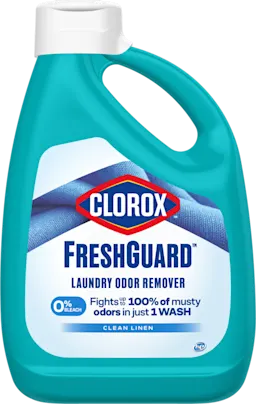
If the washing machine smells like it could use a refresh, run a rinse cycle with Clorox FreshGuard™ Laundry Odor Remover.
Use medium heat for most everyday clothing and lower heat settings for delicate fabrics. If you're unsure, choosing a lower heat setting is generally safer than using high heat.
Once clothes are dry, fold or hang them as soon as possible. This helps prevent wrinkles and makes it easier to stay organized in a small dorm room.
A simple laundry routine helps keep clothes from piling up in a dorm. Most everyday clothes like t-shirts and jeans can be washed about once a week. Underwear, socks and workout clothes should be washed after each use. Towels are typically washed every few uses, and bed sheets every one to two weeks. Larger items like blankets can be washed every one to three months. And for that barely worn, clean-ish clothes pile, Clorox™ Refreshables™ In-Dryer Clothing Refresher gently freshen items, no washer needed.
The best choice depends on how you'll carry your laundry. A laundry bag is ideal for walking to a shared laundry room, while a sturdy basket with handles is better for heavier loads. Choose one that's durable, easy to clean, and large enough to hold about a week's worth of clothes.
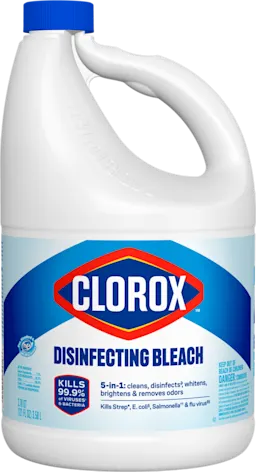
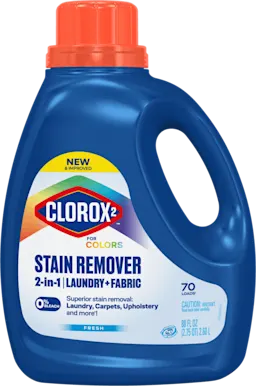
The best way to do laundry in college is to sort your clothes by color and fabric, check the care labels, and use the right laundry products for each load. For white, bleach-safe items, Clorox™ Disinfecting Bleach helps remove stains, whiten fabrics, and kill 99.9% of germs when used as directed. For powerful whitening and stain removal, Clorox™ Scentiva™ Scented Bleach combines trusted bleach performance with a fresh, long‑lasting scent. For colored clothes, Clorox 2™ for Colors Laundry & Fabric Stain Remover helps remove tough stains while helping keep colors bright. To target tough odors, try Clorox FreshGuard™ Laundry Odor Remover for fresh clothes, fresh scent and a fresh machine.