Family of Brands
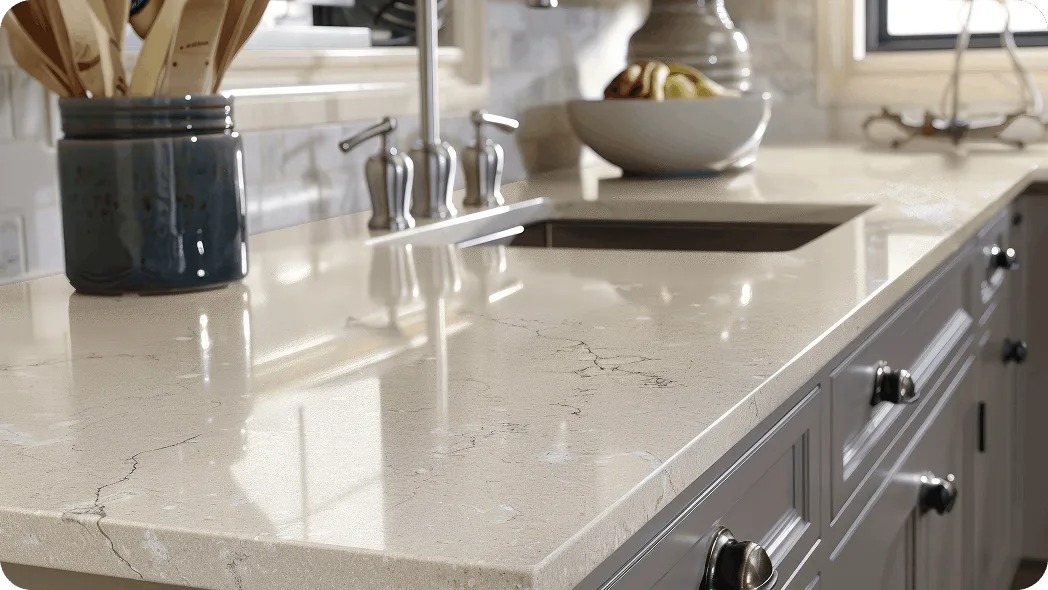
Learn how to clean quartz countertops safely and effectively. Discover the best cleaning methods, how to remove stains, disinfect surfaces, and keep your quartz sparkling.
Quartz countertops are a popular choice for kitchens and bathrooms thanks to their durability, low maintenance, and elegant appearance. Keeping them clean and free of stains helps preserve their beauty and longevity. In this guide, we’ll walk you through step-by-step instructions for everyday cleaning, removing stubborn stains and safely disinfecting your quartz surfaces.
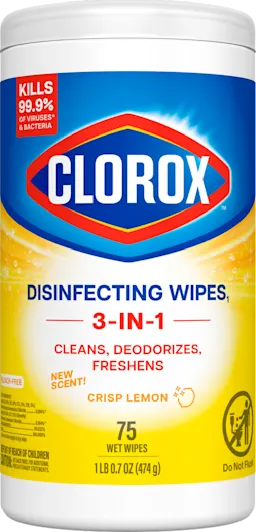
For most homes, a simple daily wipe-down is enough to keep quartz in great shape. Wiping sealed quartz countertops with Clorox™ Disinfecting Wipes once a day helps remove crumbs, light spills, fingerprints and residue that can build up over time. A consistent routine is the easiest way to maintain quartz shine and protect the surface long term.
Many quartz manufacturers recommend avoiding frequent use of full-strength bleach on quartz countertops. To keep things simple for everyday cleaning and sanitizing, it’s usually best to reach for quartz-safe products like Clorox™ Disinfecting Wipes and reserve diluted bleach as an occasional solution when needed, on other surfaces.
Soft cloths or microfiber towels
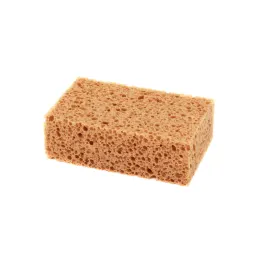
Non-scratch sponges
Step-by-step daily cleaning routine
Remove crumbs and surface debris with a damp microfiber cloth.
Wipe down sealed surface with Clorox™ Disinfecting Wipes.
Ensure the surface remains visibly wet for 10 seconds (sanitizing) to 4 minutes (disinfecting).
Rinse with potable water if food contact is expected.
Let air dry.
To remove stains from sealed quartz, start by identifying the type — common ones include coffee, wine, oil, water marks or ink. For most everyday stains and quick cleanups, use Clorox™ Disinfecting Wipes to lift residue and refresh the surface. Water stains or mineral deposits can often be removed by gently scrubbing the area using small circular motions.
For everyday stains:
Wipe surface clean with Clorox™ Disinfecting Wipes.
Let air dry.
For mineral deposits or rust:
Use a non-abrasive stone cleaner formulated for quartz and follow the product’s directions.
Avoid acidic products — these can weaken the seal.
To maintain the shine of quartz countertops, clean routinely with gentle wipes or a nonabrasive cleaner and avoid harsh scrubbing pads. Clorox™ Disinfecting Wipes make everyday cleanup easy while helping protect surfaces against residue and odor-causing bacteria growth. For an extra polished look, you can occasionally buff the surface with a microfiber cloth to enhance its natural sheen — no additional polish required.
Sealed quartz countertops are durable, but they still need the right care to stay protected and looking their best. Harsh cleaners, abrasive scrubbing pads and acidic ingredients like vinegar or lemon juice can break down the protective sealant and dull the surface over time, while letting spills — especially oils or deeply pigmented liquids — sit too long can lead to staining. Before choosing a DIY cleaner for quartz, it’s important to understand which ingredients are safe and effective. Some DIY solutions can handle light residue, but most won’t sanitize or tackle tougher messes. The chart below breaks down common DIY cleaning ingredients and explains what they can — and can’t — do for quartz countertops.
| Cleaner | Recommendation | Can be used on sealed granite? | Can be used on sealed or synthetic marble? | Can be used on quartz? |
|---|---|---|---|---|
| Clorox™ Disinfecting Wipes | Easy everyday messes removal, disinfecting high-touch surfaces | ✓ | ✓ | ✓ |
| Clorox™ Disinfecting All Purpose Cleaner | Easy grease and grime removal, tackles set-in messes | ✓ | ✓ | X |
| Clorox™ Disinfecting Bleach | Deep cleaning bathroom surfaces, removing tough stains on whites/laundry | ✓ | X | X |
| Vinegar | Acidic; effective on light residue | X | X | X |
| Hydrogen peroxide (3%) | Mild disinfectant; may dull finish over time | X | X | X |
| Isopropyl alcohol (70%) | Helps with routine sanitizing but less comprehensive than bleach | ✓ | X | X |
| Dish soap & water | Safe for daily cleaning; does not disinfect | ✓ | ✓ | ✓ |
| Lemon juice | Acidic; can damage or dull surfaces; only suitable for spot cleaning | X | X | X |
Yes — Clorox™ Disinfecting Wipes can be used on hard, nonporous quartz surfaces when used as directed, making them a convenient option for everyday cleaning and sanitizing. They’re designed to remove grease, grime and common household soils while killing 99.9% of viruses and bacteria on hard, nonporous surfaces. Always follow the label directions and your quartz manufacturer’s care recommendations, especially for areas where food is prepared. For any surface that may contact food directly, clean, then rinse with potable water and dry before placing food on the quartz.
Vinegar and hydrogen peroxide can both interact with the resin binder in quartz if used too often or left on too long. A small amount of diluted vinegar can sometimes help with light mineral deposits, and 3% hydrogen peroxide can assist with some stains — but both should be used sparingly, with short contact times, and always followed by a thorough rinse. For routine cleaning and sanitizing, stick to quartz-safe products like Clorox™ Disinfecting Wipes.
Quartz countertops are more stain-resistant than porous materials like marble or some granites, but they’re not completely stain-proof. Spills from coffee, wine, tomato sauce, oils and certain dyes can leave marks if they sit too long on the surface. Wiping spills promptly with Clorox™ Disinfecting Wipes and following a regular cleaning routine greatly reduces the risk of staining.
Water stains on quartz are usually mineral deposits from hard water that dry on the surface. To remove them, dampen a soft cloth with warm, soapy water and gently scrub the hazy area in small circles. Rinse with clean water and dry completely with a microfiber cloth. For more stubborn spots, use Clorox™ Disinfecting Wipes as directed.
Some granite cleaners are also suitable for quartz, but not all. Always read the label to confirm the product is safe for quartz or engineered stone, and follow both the cleaner’s instructions and your quartz manufacturer’s care recommendations. When in doubt, mild dish soap and water or a quartz-safe disinfecting product like Clorox™ Disinfecting Wipes are easy, reliable options.
Quartz countertops are designed to have a long-lasting, built-in shine, so you don’t need special polishes or waxes. Instead, keep the surface clean with wipes or a gentle cleaner, then dry and buff with a microfiber cloth to restore a streak-free, glossy look. If the surface appears dull, it’s often due to residue — regular washing and careful rinsing usually bring back the shine. Avoid polishes or sealers that aren’t specifically recommended by your quartz manufacturer.