Family of Brands
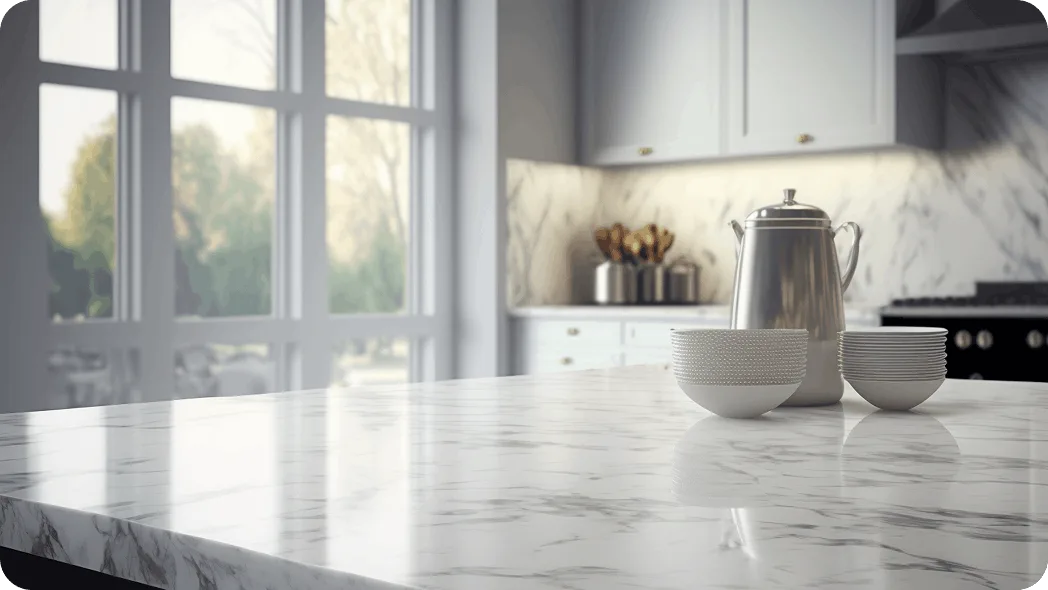
Learn how to clean marble countertops, floors and showers, remove stains and marks, and keep surfaces fresh. Step-by-step tips and recommended products make cleaning easy and effective.
Marble is a beautiful, timeless surface that adds elegance to any home. Keeping countertops, floors, and showers looking their best takes a simple, consistent approach. In this guide, we’ll walk you through easy steps to clean marble surfaces, remove everyday dirt and spills, and maintain their natural shine. You’ll also discover how products like Clorox™ Disinfecting Wipes can help keep your sealed marble surfaces fresh and hygienic.
For most households, a daily wipe-down is enough to remove crumbs, spills, and germs that accumulate during food preparation. Regular cleaning helps prevent bacteria buildup, reduces the risk of cross-contamination, and keeps surfaces looking their best.
Plan on disinfecting sealed or synthetic marble occasionally, such as after handling raw meat, during heavy kitchen use, or when you want a deeper clean. When needed, you can use Clorox™ Disinfecting All Purpose Cleaner on synthetic marble to disinfect and lift surface level buildup. Regular daily cleaning, paired with periodic disinfecting, helps keep marble countertops smooth, clean and well-maintained.

Soft cloths or microfiber towels

Non-scratch sponges

Measuring spoon + spray bottle
Step-by-step daily cleaning routine:
Remove crumbs and surface debris with a damp microfiber cloth.
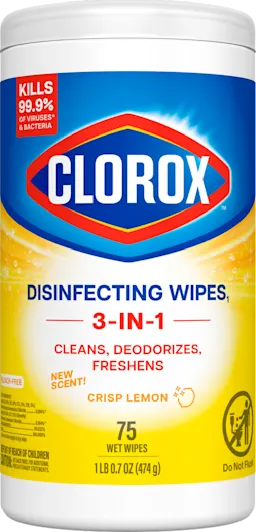
Wipe down sealed surface with Clorox™ Disinfecting Wipes.
Ensure the surface remains visibly wet for 10 seconds (sanitizing) to 4 minutes (disinfecting).
Rinse with potable water if food contact is expected.
Let air dry.
Periodic disinfecting & deep cleaning on synthetic marble:
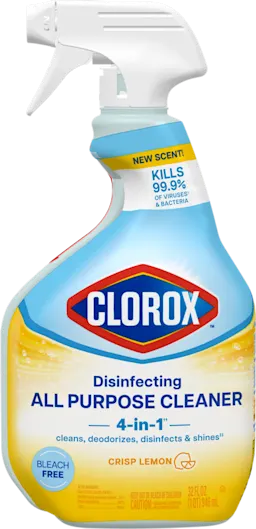
Spray Clorox™ Disinfecting All Purpose Cleaner 6–8 inches from surface until thoroughly wet.
Let stand for 30 seconds (sanitizing) to 10 minutes (disinfecting).
Rinse or wipe clean. For visibly soiled areas, a precleaning is required.
Sweep or dry-dust daily to prevent grit from scratching the soft stone.
Mop using a mild soap and water solution.
Avoid saturating the floor — marble is porous and holds moisture.
Replace the mopping cloth frequently and avoid respreading dirt.
Dry the floor afterward to prevent streaking or water marks.
Use Clorox™ Disinfecting Wipes for quick cleans like food spills or light dirt.
Rinse walls after each shower to reduce soap scum and mineral deposits.
Spray Clorox™ Disinfecting All Purpose Cleaner 6–8 inches from sealed surface until thoroughly wet.
For soap scum, use a nonabrasive cloth and gentle pressure.
Rinse thoroughly and wipe dry after each cleaning.
Avoid bleach, vinegar, bathroom descalers or acidic tile cleaners — all of which can etch marble.
To remove stains from marble, start by wiping the area with a soft cloth and warm water. For tougher spots, instead of baking soda, spray synthetic marble with Clorox™ Disinfecting All Purpose Cleaner for an easy, effective clean. For everyday stains or germs, using Clorox™ Disinfecting Wipes can help lift marks while keeping the surface clean and fresh.
To keep sealed marble countertops looking their best, clean routinely with gentle wipes like Clorox™ Disinfecting Wipes. Make everyday cleanup simple while helping remove residue from daily messes. For added luster, occasionally buff the surface with a soft microfiber cloth to enhance its natural sheen — no additional polish required.
Marble is more delicate than many other surface materials, so harsh cleaners, abrasive scrubbing pads, and acidic ingredients like vinegar or lemon juice can etch or dull the natural stone. Letting spills, especially acidic ones, sit for too long can lead to staining that becomes difficult to reverse. Avoid these common mistakes to help keep your marble surface smooth, bright, and beautiful for years to come.
Before choosing a DIY cleaner for marble, it’s important to understand which ingredients are safe and effective. Some DIY solutions can handle light residue, but most won’t sanitize or tackle tougher messes. The chart below breaks down common household and DIY cleaning ingredients and explains what they can — and can’t — do for sealed marble countertops.
| Cleaner | Recommendation | Can be used on sealed granite? | Can be used on sealed or synthetic marble? | Can be used on quartz? |
|---|---|---|---|---|
| Clorox™ Disinfecting Wipes | Easy everyday messes removal, disinfecting high-touch surfaces | ✓ | ✓ | ✓ |
| Clorox™ Disinfecting All-Purpose Cleaner | Easy grease and grime removal, tackets set-in messes | ✓ | ✓ | X |
| Clorox™ Disinfecting Bleach | Deep cleaning bathroom surfaces, removing tough stains on whites/ laundry | ✓ | X | X |
| Vinegar | Acidic; effective on light residue | X | X | X |
| Hydrogen peroxide (3%) | Mild disinfectant; may dull finish over time | X | X | X |
| Isopropyl alcohol (70%) | Helps with routine sanitizing but less comprehensive than bleach | ✓ | X | X |
| Dish soap & water | Safe for daily cleaning; does not disinfect | ✓ | ✓ | ✓ |
| Lemon juice | Acidic; can damage or dull surfaces; only suitable for spot cleaning | X | X | X |
Yes. Clorox™ Disinfecting Wipes can be used on synthetic and sealed marble. However, note that marble is a delicate, calcium-based stone that can be damaged if the stone is not sealed. Be sure to only use Clorox™ Disinfecting Wipes on synthetic and sealed marble countertops and follow the directions on the label.
Yes. Clorox™ Disinfecting All Purpose Cleaner is safe for use on synthetic marble. Important note: this spray is not pH-neutral, which makes it unsuitable for marble’s sensitive surface. Acidic or alkaline cleaners can weaken the stone’s finish and cause dullness, discoloration or etching over time.
No, bleach should not be used on marble countertops, floors or showers.
Yes — marble is porous, which means it absorbs liquids more easily than nonporous stone like quartz or porcelain. Spills from wine, coffee, oils or acidic foods can leave stains or etch marks if left sitting even briefly. Water can also create dull spots or “rings” if the surface isn’t dried after cleaning or exposure. Regular sealing, quick cleanup and gentle daily maintenance help preserve marble’s clarity and shine over time.
Vinegar should never be used on marble because it is acidic and can cause immediate etching or dulling of the stone. Baking soda is less harmful but still mildly abrasive, so it should only be used occasionally for stain-lifting pastes — not for daily cleaning. For everyday cleaning, using Clorox™ Disinfecting Wipes is an easy way to help keep the surface clean and fresh.[
Acetone can be used sparingly on light-colored marble to remove certain tough stains, such as adhesive residue or dye transfer. However, it should be applied carefully and tested in an inconspicuous spot first because marble varies in mineral composition and sensitivity. Acetone is not recommended for dark marble, as it can cause discoloration or lighten the finish. For routine cleaning, stick to mild, marble-safe products to avoid unexpected damage.
If your marble countertops are sealed or synthetic, you can use Clorox™ Disinfecting Wipes for everyday sanitizing. If your marble countertops are synthetic, you can use Clorox™ Disinfecting All Purpose Cleaner for disinfecting as needed. Be sure to follow with a potable rinse if your countertops come in contact with food.
Marble cannot be disinfected with bleach, acidic cleaners or traditional disinfecting sprays because these products can etch and permanently damage the porous stone. In this case, the safest approach is to clean regularly with mild dish soap and water. For an extra step after cleaning, you can use 70% isopropyl alcohol sparingly to help reduce germs on the surface, taking care not to overuse it and always testing in a small, inconspicuous spot first.
Yes — marble is naturally porous due to its mineral composition, which means it absorbs liquids more easily than many other decorative stones. This makes it vulnerable to staining, water marks and etching when exposed to acidic or strongly alkaline substances. Because of this porosity, sealing marble once or twice a year is an important part of long-term maintenance. Gentle daily care helps preserve the stone’s integrity and beauty.
The easiest way to maintain marble’s shine is to buff it regularly using a clean, dry microfiber cloth. This helps remove surface dust and enhances the stone’s natural luster without any chemicals. For deeper polishing, professional stone care services can safely restore shine using specialized equipment and compounds. Avoid over-the-counter abrasive polishes, as they can scratch or dull marble and compromise its finish. Regularly cleaning your sealed marble with Clorox Disinfecting wipes and your synthetic marble with Clorox™ Disinfecting All Purpose Cleaner spray can also help maintain the shine.