Family of Brands
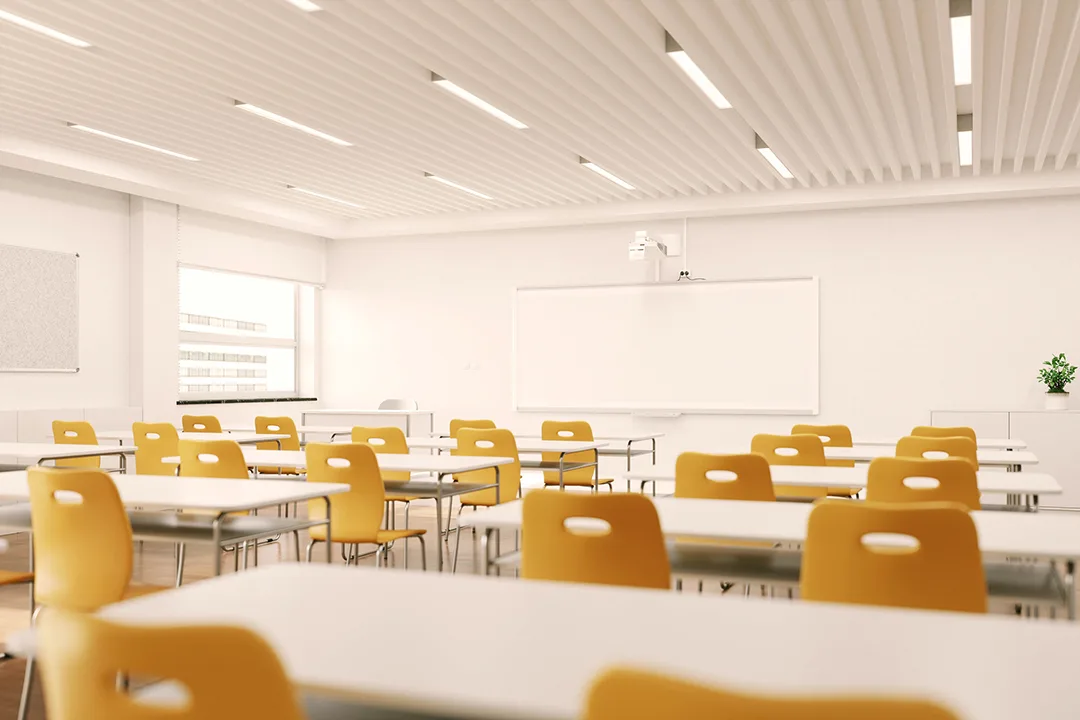
Keeping schools clean goes beyond appearance, it helps reduce the spread of germs on surfaces, supports student health, and creates a safer environment for both students and staff. Whether preparing for back-to-school, maintaining daily classrooms, or responding to illness outbreaks, this guide covers essential cleaning, disinfecting and supply needs.
Hand sanitizer
Mop and bucket
A structured checklist keeps cleaning consistent across classrooms and prevents important tasks from being missed. While deep cleaning happens less often, daily and weekly routines are what maintain a healthy environment. Learn more about common germs in schools and how to prevent the spread of illness.
Different areas of a school require different cleaning approaches. While classrooms are a major focus, shared spaces like gyms, cafeterias and restrooms often see higher traffic and require more frequent disinfection.
| School Area | High-Touch Surfaces | Cleaning Focus | Frequency |
|---|---|---|---|
| Classrooms | Desks, chairs, shared supplies, door handles | Daily disinfection of surfaces, routine floor cleaning | Daily + weekly deep clean |
| Gym/Fitness Areas | Equipment, mats, locker handles, benches | Disinfect shared equipment, manage sweat/odor buildup | After use + daily |
| Locker Rooms | Lockers, benches, faucets, floors | Moisture control, disinfect surfaces, prevent odor | Daily + deep clean weekly |
| Restrooms | Toilets, sinks, dispensers, stall handles | Full disinfection, restocking supplies | Multiple times daily |
| Cafeteria | Tables, trays, serving areas | Food-safe cleaning + frequent disinfection | After each use |
| Auditorium/Library | Armrests, desks, shared electronics | Spot disinfection + periodic deep cleaning | Weekly + as needed |
| Hallways & Common Areas | Railings, door handles, water fountains | High-touch surface disinfection | Daily |
Follow these steps for effective school deep cleaning:
Remove books, supplies and unnecessary items
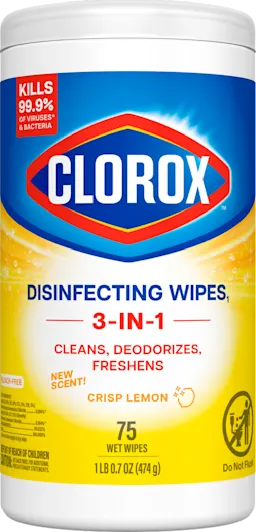
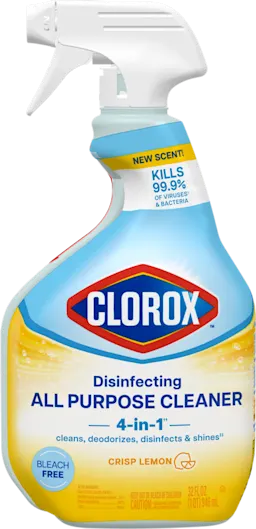
For small messes on desks or tables, wipe the surface clean with Clorox™ Disinfecting Wipes and let dry. For big cleaning jobs, Clorox™ Disinfecting All Purpose Cleaner to remove excess dirt from desks, chairs and other surfaces.
Use EPA-registered disinfectants like Clorox™ Disinfecting Wipes on high-touch and shared surfaces like doorknobs, light switches and computer keyboards.
Let disinfectants sit as directed to kill germs.
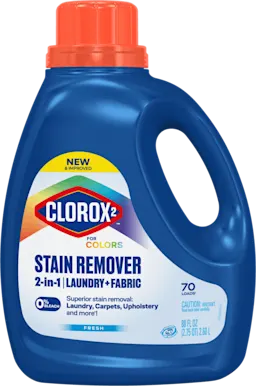
Vacuum carpets and rugs. Use Clorox 2™ for Colors Stain Remover on any cushions and pillows.
Improve airflow during and after cleaning.
Routine cleaning is what keeps a classroom functioning day to day. It focuses on visible dirt, general tidiness and reducing surface-level contamination. This includes wiping desks, emptying trash and maintaining floors. These tasks are typically performed daily or multiple times throughout the week.
Deep cleaning is more intensive and far more targeted. It addresses buildup in overlooked areas such as underneath furniture, inside storage spaces and on surfaces that are not cleaned regularly. More importantly, deep cleaning is often paired with school disinfection, which targets bacteria and viruses that routine cleaning alone does not eliminate.
A consistent schedule helps ensure a safe environment year-round. Proactive virus disinfection in schools can help reduce absenteeism and keep classrooms running smoothly.
Schools should plan deep cleaning during:
These terms are often used interchangeably, but they serve different purposes. For effective school disinfection, it’s important to clean surfaces first, then apply a disinfectant and allow proper contact time to kill germs. Learn more about the difference here.
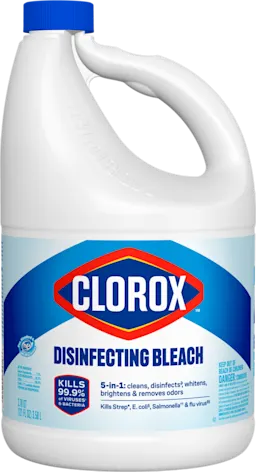
Clorox™ Disinfecting Bleach is an effective disinfectant when used properly in school settings. When used correctly, bleach supports thorough virus disinfection in schools, especially during outbreaks.
Keep your classroom clean by regularly wiping down high-touch surfaces like desks, doorknobs and shared supplies, and encouraging students to practice good hand hygiene. Daily cleaning followed by disinfecting hard, nonporous surfaces can help reduce the spread of germs in busy school environments.
The best disinfectants for schools are EPA-registered products that are proven to kill germs on hard, nonporous surfaces when used as directed. Clorox™ Disinfecting Wipes are the Teachers’ #1 Wipe* and provide effective cleaning and disinfecting.
Yes, disinfecting wipes can kill viruses on hard, nonporous surfaces when they are used according to label directions. Products like Clorox™ Disinfecting Wipes kill 99.9% of viruses and bacteria, including common cold and flu viruses, helping reduce germ spread on classroom surfaces.
Yes, bleach can be used in schools as an effective disinfectant on hard, nonporous surfaces when properly diluted and used according to label directions. It’s important to follow safety guidelines like ventilating the area, allowing proper contact time and keeping children away from treated surfaces until dry.
You can use Clorox™ Disinfecting Wipes as an effective cleaner as well as disinfectant. Use them as an everyday cleaner for grime, dust, soap scum, food messes and everyday classroom messes like crayon, glitter, tracked-in dirt and more.
Based on IRI Panel dollar sales among households with teachers as household members, 52 weeks ending 3/1/2026.