 Family of Brands
How to Clean Your Washing Machine & Remove Mildew Odors
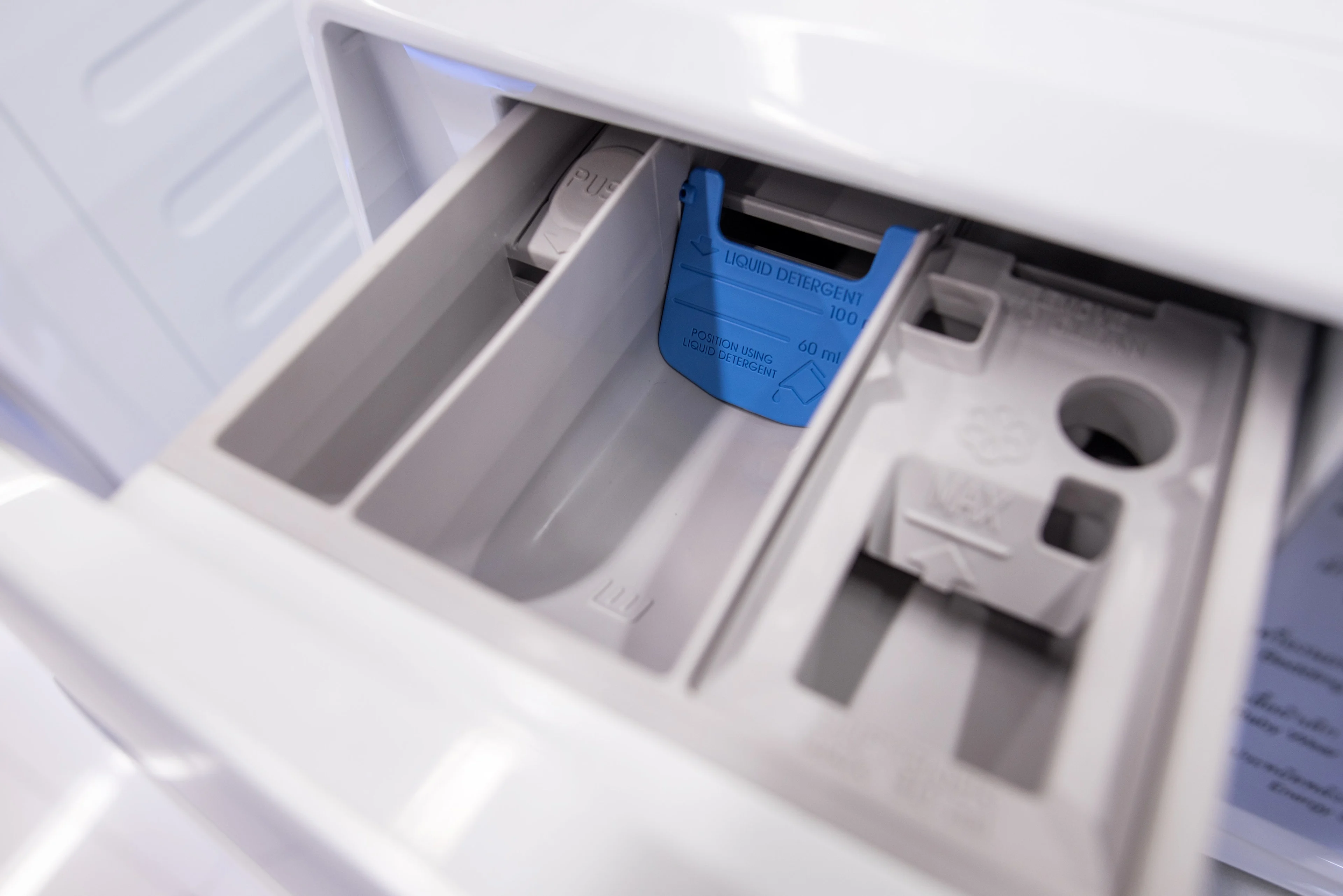
Clean your washing machine with simple steps that eliminate odors, buildup and grime to ensure your washer stays fresh and functioning at its best.
Washing machine buildup is often caused by leftover moisture, detergent residue and grime trapped in hidden parts of the machine, especially in front-loading washers. Hard water minerals, sweaty or dirty clothes and soap scum can all contribute to musty or sour smells over time. High humidity makes the problem worse by preventing the washer from drying out properly between loads, creating an ideal environment for mold and mildew.
How often to clean your washing machine
To keep your washing machine clean, clean it about once a month to eliminate bacteria, dirt and oil, and to prevent mold, mildew and musty odors from building up. Regular cleaning also helps remove any rust or residue that can affect your washer’s performance. Keeping up with maintenance can help keep your clothes smelling fresh and your machine running efficiently.
What to use to clean your washing machine

Microfiber cloth

Nylon scrub brush

Gloves
Bucket

Small brush


How to clean a front loader washing machine
Front-loading washers are prone to mold and mildew buildup, especially around the rubber door gasket, so it's important to inspect and dry it regularly after each wash. Using too much detergent can also cause residue buildup and musty odors, since front-loaders have tighter seals and lower water levels. To keep your machine clean and fresh, always use high-efficiency (HE) detergent sparingly and follow good maintenance habits.
Clean the door seal
Wipe the rubber gasket with a cloth soaked in a mixture of water and Clorox™ Disinfecting Bleach.
Run a bleach cycle
Pour one cup of Clorox™ Disinfecting Bleach into the bleach dispenser. Set the washer to the hottest cycle.
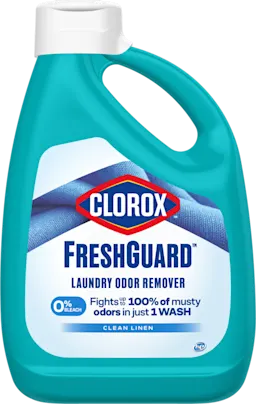
TipFor a bleach-free alternative, Clorox FreshGuard™ Laundry Odor Remover can be added to the fabric softener compartment or directly to the rinse cycle wash. Use 1 capful for HE machines or 2 capfuls for standard machines.
Rinse cycle
Run an additional rinse cycle to ensure all bleach is thoroughly rinsed out.
Clean the dispensers
Remove and soak the detergent dispensers in a solution of warm water and Clorox™ Disinfecting Bleach. Scrub and rinse them thoroughly.
Keep it dry
Leave the door open after each use to let it dry out.
How to clean a top loader washing machine
Top-loading washers can collect grime and lint around the agitator, center post and under the lid, where detergent residue and dirt often build up. Because they use more water than front-loaders, top-loaders are also more prone to hard water deposits forming in the drum and hoses. Regularly checking and cleaning these hidden areas helps prevent buildup and keeps the washer running efficiently.
Prep
Select the whites or hot water cycle on your washer.
Run a bleach cycle
Pour one cup of Clorox™ Disinfecting Bleach into the bleach dispenser or directly into the drum.
TipFor a bleach-free alternative, Clorox FreshGuard™ Laundry Odor Remover can be added to the fabric softener compartment or directly to the rinse cycle wash. Use 1 capful for HE machines or 2 capfuls for standard machines.
Rinse cycle
Run an additional rinse cycle to ensure all bleach is thoroughly rinsed out.
Clean the dispensers
Remove and soak the detergent dispensers in a solution of warm water and Clorox™ Disinfecting Bleach. Scrub and rinse them thoroughly.
Clean the hoses
Disconnect the hoses from the washer and soak them in a solution of warm water and vinegar. Use a brush to scrub any stubborn hard water deposits. Rinse and reinstall.
Scrub the drum
After the cycle, use a microfiber cloth or sponge to wipe the drum’s interior of any hard water spots.
How to clean washing machine parts
Gasket: Be sure to lift and clean under the fold where mold and grime collect. Dry thoroughly.
Tray: Remove and soak in warm, soapy water. Scrub with a small brush to remove buildup, then rinse and dry before reinserting.
Glass Window (Door): Wipe to remove smudges, detergent splashes and residue.
Agitator: Wipe down to remove buildup, and for a deep clean, run a hot cycle with 1 cup of vinegar and baking soda.
Filter: Remove per manufacturer instructions. Rinse under running water and scrub gently to remove debris. Clean monthly or as needed.
Dispenser: Remove if possible and soak in hot, soapy water. Use a toothbrush to clear clogs and buildup. Rinse well and dry.
Washer Drain: Check for blockages or odors. Use a washing machine cleaner monthly to keep it clear.
How to clean your washing machine
Empty the machine
Remove any clothes or items from the washer.
Add bleach
For standard machines, add 1/2 cup of Clorox™ Disinfecting Bleach to the bleach dispenser or directly to the drum. For HE machines, use 1/4 cup.
TipFor a bleach-free alternative, Clorox FreshGuard™ Laundry Odor Remover can be added to the fabric softener compartment or directly to the rinse cycle wash. Use 1 capful for HE machines or 2 capfuls for standard machines.
Run a cycle
- If your washer has a maintenance cycle, select this option.
- Otherwise, run a cycle on hot water with the Extra Rinse option, or use the Whites or Stain cycle.
Ensure contact
Allow the bleach to contact the machine for 10 minutes.
Air dry
Leave the washer door open to air dry after the cycle.
Tips for cleaning a washing machine with bleach
- Not sure what bleach-to-water ratio you need? Check out our handy chart.
- Use freshly mixed solutions. Bleach degrades over time when diluted.
- Never mix bleach with vinegar, ammonia, or any other cleaner; doing so can create dangerous fumes.
- Wear gloves and ensure good ventilation during use.
Tips for preventing mold and mildew in washing machines
Keep the door open after each use
Leaving the washer door open after every laundry cycle is one of the simplest and most effective ways to prevent mold and mildew. This allows air to circulate inside the drum, helping moisture evaporate and reducing the damp conditions that mold thrives in. However, this step alone isn’t enough. Soil, detergent residue, and lint can still accumulate in hidden areas like the door seal and detergent drawer, so regular cleaning is essential. If you have children or pets, consider using a child-lock or keeping the laundry room secure to avoid accidents with an open washer door.
Limit detergent use to the recommended amount
Using too much detergent may seem like a way to get clothes extra clean, but it can actually backfire. Excess detergent often doesn’t rinse out completely, leaving behind a sticky residue that traps moisture and feeds mold growth. Always follow the manufacturer’s guidelines for detergent quantity based on load size and soil level. High-efficiency (HE) washers require less detergent than traditional models, and using HE-compatible products is critical to avoid buildup.
Store your washer in a dry, well-ventilated area
The environment around your washing machine plays a big role in mold prevention. If your laundry area is humid or poorly ventilated, moisture can linger and promote mold growth not just inside the washer, but on surrounding surfaces. Use a dehumidifier or exhaust fan if needed, and keep windows open, when possible, to improve airflow. Avoid placing your washer in enclosed spaces like closets or basements without proper ventilation.
Run a bleach cleanout cycle monthly
A monthly cleanout cycle using Clorox™ Disinfecting Bleach helps remove mold stains, mildew stains and odor-causing residue from visible areas of your washer, such as the drum, hoses and dispenser. To perform the cleanout, pour bleach into the detergent or bleach dispenser and run a hot water cycle with an extra rinse. This process helps clean and deodorize the machine, keeping it fresh and hygienic. Be sure to follow label instructions and never mix bleach with other cleaning products. For a bleach-free alternative, Clorox FreshGuard™ Laundry Odor Remover can be added to the fabric softener dispenser or directly to the rinse cycle.
Frequently Asked Questions
- Why is my washing machine not draining?
If your washing machine does not drain, it could be due to a clogged hose, blocked pump filter or buildup in the drain line. A washing machine drain blocked by lint, detergent residue or debris is a common reason why a washer would not drain properly.
- Why does my washing machine smell like mildew?
A mildew smell from a washing machine is usually caused by moisture, detergent buildup and trapped grime inside the drum, door seals or hoses. Whether it's a smelly washer top loader or you're wondering why your front loader washing machine smells, leaving the door closed between washes and not cleaning regularly can cause a musty odor. To get rid of the smell from the washing machine, it's important to deep clean it and let it dry out properly between loads.
- Why does my washer drain smell?
A smell from the washer drain pipe is often caused by a buildup of lint, soap scum, mildew or bacteria inside the drain hose or standpipe. If you're noticing a smell from the washing machine drain or dealing with a smelly washing machine drain, it’s usually a sign that the drain needs to be cleaned and flushed. Regular maintenance can help eliminate the smell coming from the washing machine drain and prevent it from returning.
- Why does my washer make my clothes smell?
If your washer makes clothes smell, it’s often due to mold, mildew or detergent buildup trapped inside the drum, seals or detergent tray. When your washing machine makes clothes smell, it usually means the machine needs a thorough cleaning. Regular deep cleaning and leaving the door open between loads can help prevent odors from transferring onto your clothes. Clorox FreshGuard™ Laundry Odor Remover has a 3-in-1 solution that delivers fresh clothes, a fresh scent and a fresh machine.
- How do I clean my washing machine with Clorox bleach?
To clean your washing machine, start by removing any clothes or items from the drum. For standard washers, pour ½ cup of Clorox™ Disinfecting Bleach into the bleach dispenser or directly into the drum. For high-efficiency (HE) washers, use ¼ cup. Select a hot water cycle—preferably a maintenance cycle if available. If not, choose a cycle with Extra Rinse, such as the Whites or Stain cycle, to ensure the bleach solution circulates for at least 10 minutes. After the cycle finishes, leave the washer door open to air dry, which helps prevent mold and mildew stains buildup. For best results, repeat this cleaning process monthly. Always follow label instructions and never mix bleach with other cleaning products.
- Is it safe to use bleach in my washing machine?
Yes, Clorox™ Disinfecting Bleach is safe for use in both standard and high efficiency washing machines when used as directed. The product contains 7.5–7.55% sodium hypochlorite, a disinfectant that effectively kills mold on hard, nonporous surfaces. However, it’s important to use bleach only in the recommended quantities and follow the instructions on the label.
- What precautions should I take when using bleach to clean my washing machine?
When using bleach to clean your washing machine, make sure the area is well-ventilated and avoid splashing to prevent skin and eye contact. For individuals with sensitive skin or during prolonged use, wearing rubber gloves is recommended. If bleach does come into contact with your skin or eyes, rinse thoroughly with water and seek medical advice if irritation persists. After cleaning, wash your hands thoroughly with soap and water, and store bleach in a cool, dry place out of reach of children and pets.
- What should I do if bleach gets on my skin or in my eyes?
If bleach accidentally gets on your skin, rinse the area with plenty of water for 15–20 minutes and remove any clothing that may have come into contact with it. If you continue to feel irritation, it’s a good idea to check in with a healthcare provider. For eye exposure, gently rinse with clean water for at least 15 minutes, removing contact lenses if needed. If discomfort persists, reach out to a doctor or poison control center for guidance. Having the product label or container nearby can be helpful when seeking advice.
- How should I dispose of leftover bleach after cleaning?
For small amounts of leftover bleach, you can safely dispose of it by diluting it with plenty of water and pouring it down an indoor drain, such as a toilet or sink. This method is generally safe for homes connected to municipal sewer systems. And if you have a septic system, it's best to dispose of small amounts gradually over several days to avoid disrupting the system’s balance.
For larger quantities or expired bleach products, take them to a local hazardous waste disposal facility. Never pour bleach into storm drains, onto the ground, or into natural water sources, as it can harm wildlife and contaminate water supplies. Always check your local regulations, as disposal guidelines may vary by region.