 Family of Brands
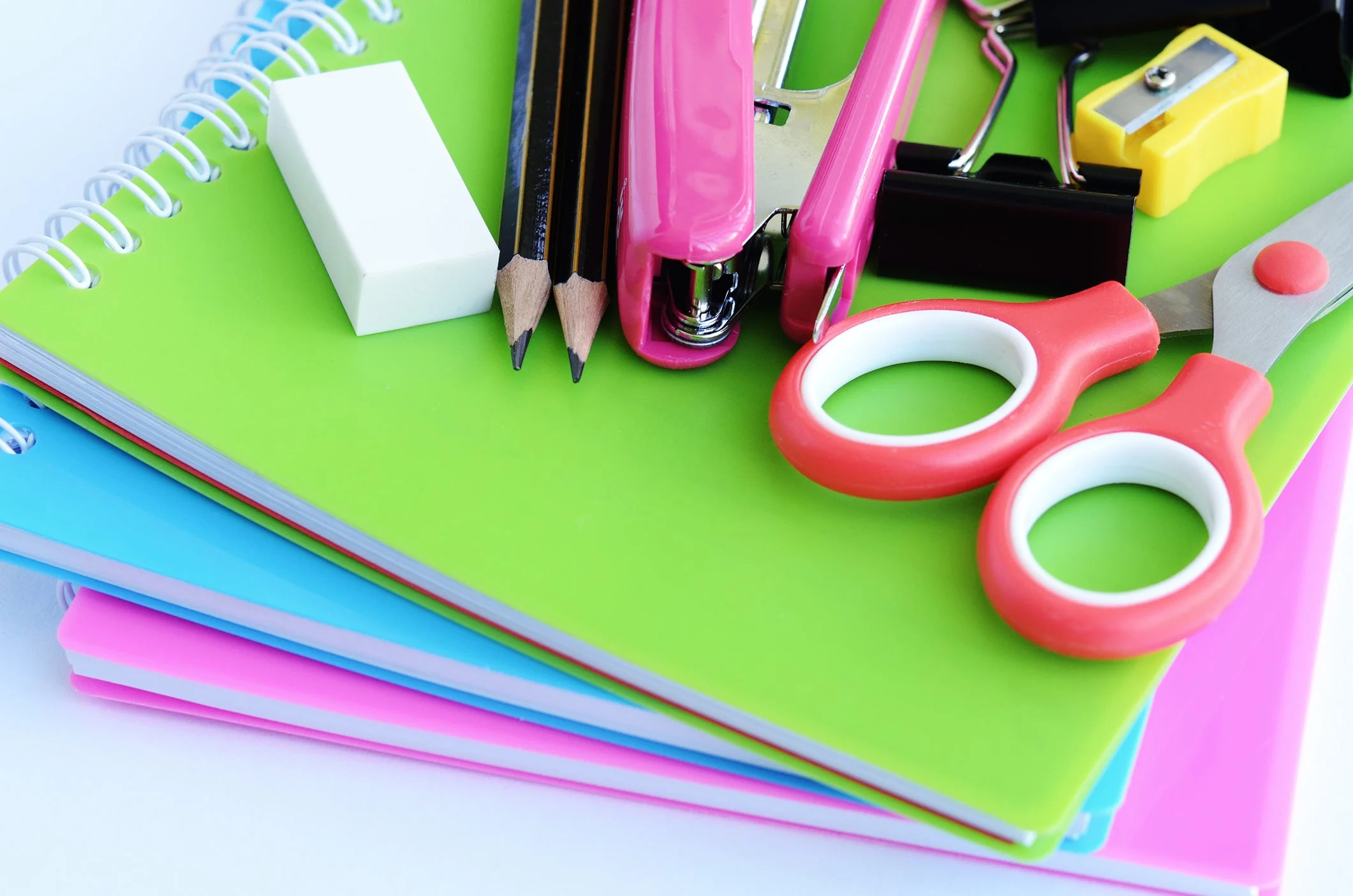
Getting ready for a new school year takes planning, organization and the right supplies. This back-to-school guide includes everything you need, from a complete back-to-school checklist and supplies list to practical tips for students and teachers. Use it to stay organized, build routines, and start the year prepared from day one.
Going back to school can feel overwhelming, but having a clear plan makes all the difference. This back-to-school checklist covers everything you need, from school supplies and paperwork to daily routines and hygiene essentials. Use it as your go-to guide to stay organized, reduce last-minute stress, and start the school year with confidence.
◻ Gather school supplies
◻ Clean and disinfect backpack
◻ Wash lunchbox and containers
◻ Stock up on tissues and hand sanitizer
◻ Pack disinfecting wipes for your teacher
◻ Try on school clothes and shoes
◻ Plan outfits for the first week
◻ Label items, if needed
◻ Complete school forms
◻ Update emergency contacts
◻ Review school schedule
◻ Adjust bedtime and wake-up time
◻ Set morning and after-school routines
◻ Plan transporations
Having a complete back-to-school supplies list makes shopping faster and helps ensure students of all ages are prepared for the year ahead. Use this general list as your starting point, then add grade-specific items as needed.
◻ Notebooks or composition books
◻ Folders or binders
◻ Loose-leaf paper
◻ Pens and pencils
◻ Erasers and pencil sharpener
◻ Highlighters
◻ Backpack
◻ Lunchbox and reusable water bottle
◻ Planner or agenda
◻ Sticky notes or index cards
◻ Clorox™ Disinfecting Wipes for your teacher to clean and disinfect desks and shared surfaces
◻ Hand sanitizer
◻ Tissues
Younger elementary students may need a few extra basics for classroom activities and creativity:
◻ Crayons or washable markers
◻ Colored pencils
◻ Glue sticks
◻ Safety scissors
◻ Art smock or old shirt
Older students often need more advanced tools for organization and coursework:
◻ Subject-specific binders or notebooks
◻ Graphing or scientific calculator
◻ Laptop or tablet (if required)
◻ USB drive or cloud storage access
◻ Advanced writing tools (fine-tip pens, markers)
Stay organized: Set up folders, notebooks and your backpack so everything has a place. Staying organized makes it easier to keep track of assignments and supplies.
Track assignments: Use a planner or digital calendar to write down homework, tests and activities. Checking it daily helps you stay on schedule.
Follow a routine: Keep consistent times for waking up, studying, and going to bed. A regular routine supports better focus and time management.
Keep supplies clean: Regularly clean and organize items like backpacks, lunchboxes and water bottles. Keeping supplies clean helps them last longer and stay ready to use.
Create a study space: Set up a quiet, clutter-free area for homework. A clean space helps reduce distractions and improve concentration.
Build healthy habits: Get enough sleep, eat balanced meals, and practice good hygiene. Healthy habits help support focus and energy throughout the day.
Organize your classroom early: Arrange desks, supplies and learning materials in a way that promotes easy access and a smooth flow of movement. This will help create a structured and efficient learning environment from day one.
Build a welcoming environment: Decorate your classroom with positive messages, student artwork and interactive displays to make students feel valued and excited to learn. Establish a friendly and inclusive atmosphere where every student feels comfortable.
Stock up on essentials: Ensure you have all necessary supplies like stationery, cleaning products and first-aid kits. Having these items readily available will help you manage daily classroom activities and emergencies effectively.
Before the first day of school or at the end of a busy day, take advantage of an empty classroom to give it a good clean. For a step-by-step routine, follow our complete classroom cleaning guide.
Declutter: Remove any unnecessary items and organize the space to make cleaning easier.
Clean surfaces: For everyday messes like dripped glue or food spills, wipe the surface clean with Clorox™ Disinfecting Wipes and let dry. For big cleaning jobs, use soap and water or Clorox™ Disinfecting All-Purpose Cleaner to remove excess dirt from desks, chairs and other surfaces.
Disinfect high-touch areas: Use EPA-approved disinfectants like Clorox™ Disinfecting Wipes on frequently touched surfaces like doorknobs, light switches and computer keyboards (follow manufacturer instructions when cleaning electronics).
Tip: Pay extra attention to high-touch surfaces, as these are the areas where germs spread most easily in the classroom. Learn more about classroom germs and how they spread.
Clean soft surfaces: Vacuum carpets and rugs, and launder items like curtains and cloth toys according to manufacturer instructions. For stain and odor removal on fabric items, use Clorox 2™ for Colors Stain Remover according to label directions.
Empty trash bins: Dispose of trash and replace liners regularly to maintain cleanliness.
Ventilate: Ensure proper ventilation while cleaning to avoid inhaling fumes from cleaning products.
To deal with back-to-school scaries, encourage consistent routines, healthy sleep habits, and regular breaks to help manage workload and emotions. For younger children like preschoolers, easing back-to-school jitters may also include visiting the classroom ahead of time, meeting the teacher and practicing short goodbyes. Open communication, fun activities and emotional support may help students feel more confident.
Always check your school’s specific kindergarten supply list, as requirements can vary slightly by classroom. Kindergarteners typically need basic supplies like crayons, glue sticks, safety scissors, pencils, erasers, washable markers and a backpack. A full kindergarten supply list or checklist may also include folders, a lunchbox, tissues and a change of clothes.
Parents can help keep kids safe by teaching basic road and bus safety, reviewing emergency contacts, and discussing school rules. Staying involved and talking regularly with your child about back-to-school safety can help build confidence.
Start by cleaning all surfaces like desks, chairs, doorknobs, and shared supplies with soap and water or Clorox™ Disinfecting All-Purpose Cleaner to remove dirt and debris. Then use an EPA-approved disinfectant or a solution with at least 70% alcohol, making sure to let it sit for the recommended contact time to effectively kill germs. Focus on high-touch areas and allow surfaces to air dry completely before students return.