Family of Brands
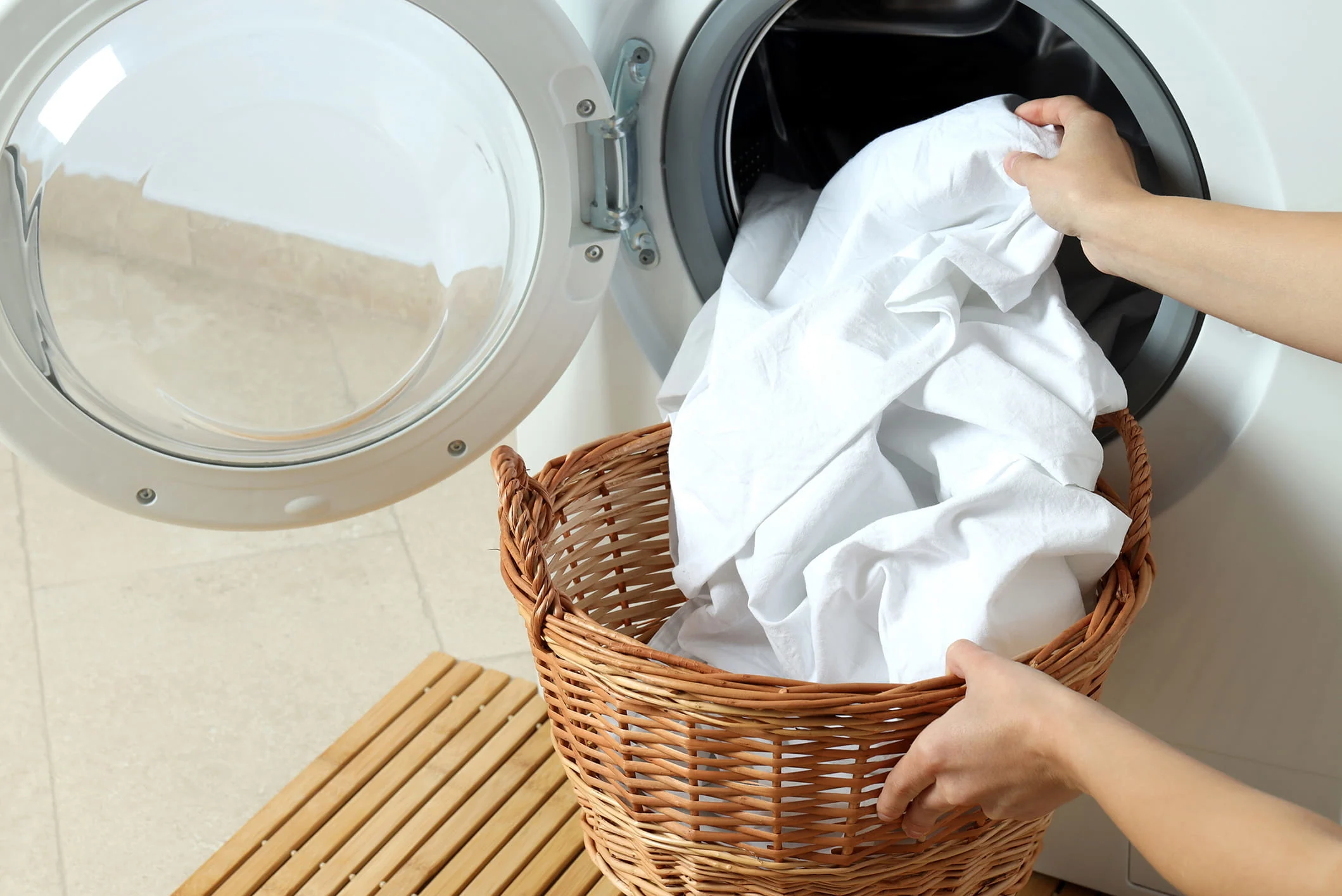
Your sheets may not be as clean as you think. Follow this simple Clorox guide for how to wash sheets, linen and bedding to keep them looking and feeling fresh.
Washing bed sheets properly is essential for maintaining a clean home. Over time, your bedding can collect sweat, body oils, dead skin cells, allergens and dirt. And that can lead to unpleasant odors and potentially skin irritation that could impact your sleep.
For fresh, hygienic bedding, wash your sheets at least once a week. If you have pets, experience night sweats or are recovering from illness, consider washing them more frequently. Regular laundering reduces allergens*, dirt and odors to help keep your sleep environment clean and comfortable.
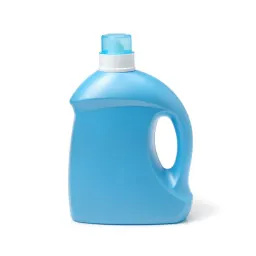
Mild detergent
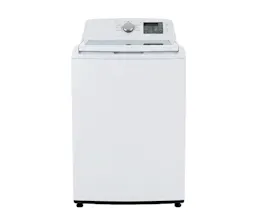
Washing machine
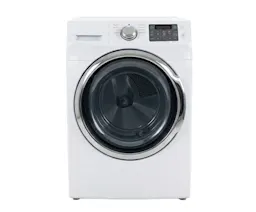
Dryer
Load your washing machine with sheets along with mild detergent as directed.
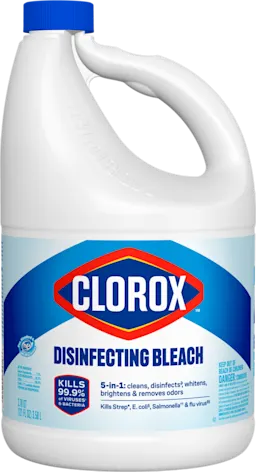
For white cotton sheets, add Clorox™ Disinfecting Bleach as directed on the label for standard or HE machines.
Set your dryer to medium or high heat and dry.
Always check the care label for specific fabrics to determine the best water temperature setting.
Generally, hot water is best for cotton and durable fabrics. Helps remove germs, body oils and allergens. Cold water is ideal for delicate fabrics like silk or linen to prevent shrinking and fading.
Normal cycle: Best for cotton and durable fabrics.
Delicate cycle: Recommended for silk, satin, linen and bamboo.
Use the largest load size that fits comfortably to allow sheets to move freely.
| Cleaner | Notes | Disinfects? | Sanitizes? |
|---|---|---|---|
| Clorox™ Disinfecting Bleach | Whiten, disinfects, removes 99.9% of germs† | Yes | Yes |
| Baking soda | CellNeutralizes odors, lifts light stains | No | No |
| White vinegar | Breaks down stains, may dull colors | No | No |
| Hydrogen peroxide | Lifts stains, may bleach colors | Partial | Partial |
| Lemon juice | Natural acid, may discolor fabrics | No | No |
Reminder: Household ingredients may help with light cleaning, but Clorox™ Disinfecting Bleach is the best choice for deep cleaning, whitening and disinfecting. Remember, never mix bleach with vinegar, ammonia or any other cleaner, as it can create dangerous fumes.
Spring & Summer: Wash more frequently to remove pollen and sweat.
Fall & Winter: Focus on removing indoor allergens like dust mite matter and pet dander.
While it might seem convenient, it’s best to wash towels and sheets separately. Towels are heavier and more abrasive, which can wear down the fibers of your sheets over time. They also require different wash settings—towels benefit from hotter water and longer cycles, while sheets (especially delicate ones) may require gentler care. Separating them helps preserve the softness and longevity of your bedding.
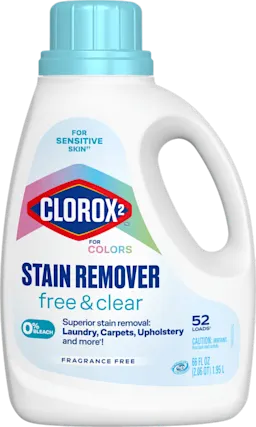
Yes, absolutely. New sheets may contain manufacturing residues, packaging chemicals or dust from storage. Washing them before use removes these irritants and softens the fabric. For sensitive skin, Clorox™ Free & Clear is a great choice, because it’s free of dyes, bleach and fragrances.
To sanitize white sheets, use Clorox™ Disinfecting Bleach. Add the recommended amount to your wash cycle and ensure the product has proper contact time to help reduce bacteria, leaving your sheets clean and fresh.
To sanitize sheets, use ½ cup of Clorox™ Disinfecting Bleach in standard washing machines and use ¼ cup in high-efficiency (HE) machines. To brighten or whiten sheets use ⅓ cup in either standard washing machines or high-efficiency (HE) machines. If you’re pre-soaking sheets to disinfect, mix ⅓ cup bleach per 1 gallon of water and soak for up to 6 minutes. Always follow label instructions and never mix bleach with other cleaners like vinegar or ammonia.
Only if the care label says the fabric is bleach-safe. Some off-white or ivory fabrics may yellow or fade with bleach. In those cases, opt for Clorox 2™ for Colors Laundry & Fabric Stain Remover or Clorox™ Free & Clear, which brighten fabrics without chlorine bleach. When in doubt, test a small hidden area first or use a color-safe alternative.
Dust mite matter and pet dander
When used as directed