 Family of Brands
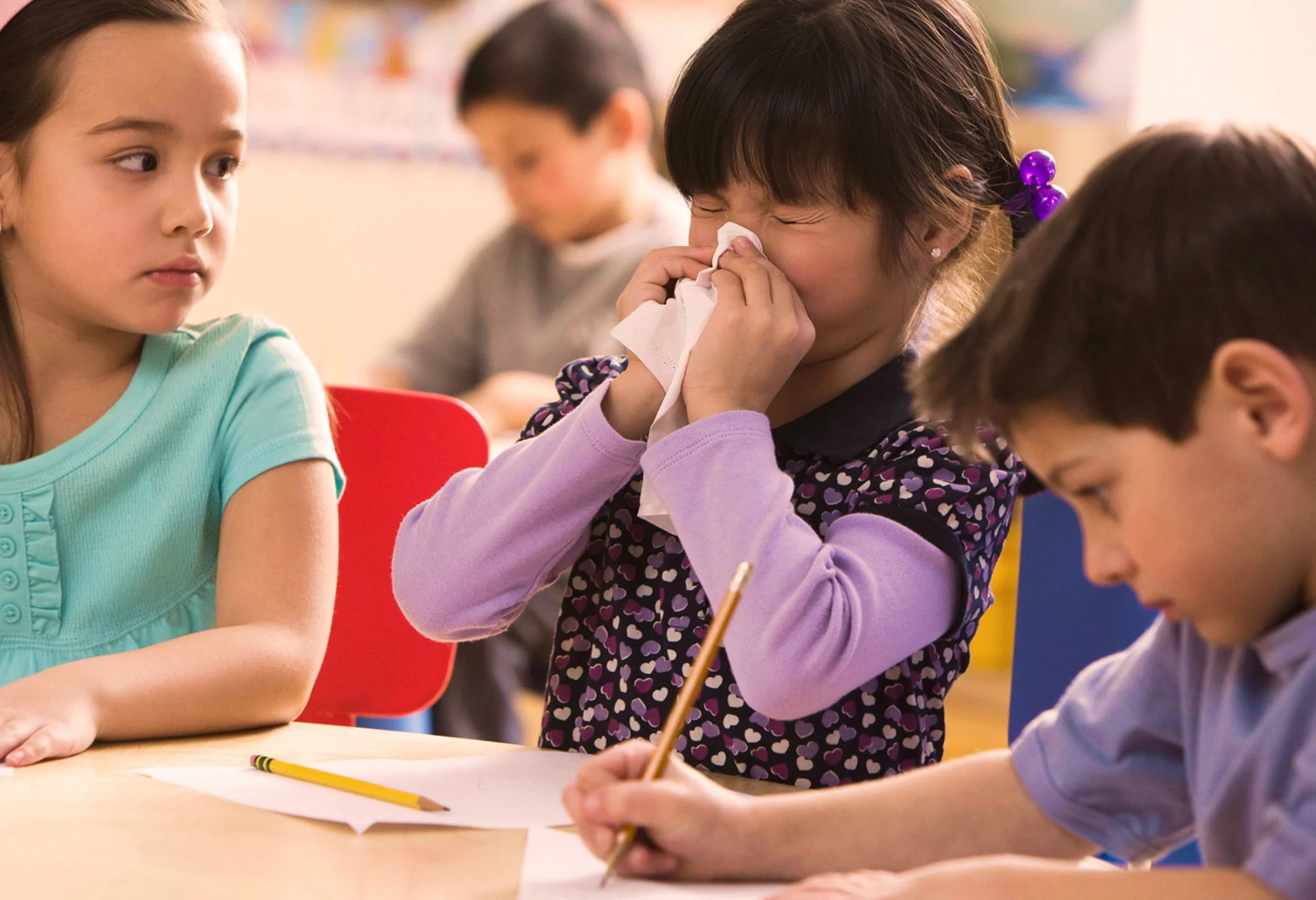
Schools are full of shared spaces and high-touch surfaces, making them one of the easiest places for germs to spread. From desks and door handles to cafeterias and gym equipment, everyday contact can quickly transfer bacteria and viruses if surfaces aren’t properly disinfected. Focusing on where germs live and using a consistent cleaning routine can help reduce the spread of illness and support a healthier school environment.
Schools can host a range of common bacteria and viruses, especially on frequently touched surfaces. Since germs are invisible and can linger longer than expected, surfaces that seem clean may still contribute to the spread of illness if they aren’t disinfected consistently.
| Illness | Type of Germ | Peak Time of Year | Where it's found on school surfaces | How it spreads in schools |
|---|---|---|---|---|
| Common cold (Rhinovirus) | Virus | Fall & winter | Desk, shared supplies, door handles | Touching surfaces, close contact, droplets |
| Flu (Influenza virus) | Virus | Late fall & winter | Tissues, keyboards | Coughing, sneezing, airborne droplets |
| Stomach bug (Norovirus) | Virus | Winter | Bathrooms, cafeteria tables, hands | Contaminated surfaces, poor hand hygiene |
| Strep throat (Streptococcus pyogenes) | Bacteria | Late fall to early spring | Drinking fountains, shared utensils | Saliva, respiratory droplets |
| Pink eye (Conjunctivitus) | Bacteria/Virus | Year-round | Towels, tissues, shared devices | Touching eyes after contaminated surfaces |
| Hand, Foot & Mouth Disease (Coxsackievirus) | Virus | Summer to early fall | Toys, desks, play areas | Contact with saliva, fluid from blisters |
| COVID-19 (SARS-CoV-2) | Virus | Year-round waves often in winter and late summer | High-touch surfaces | Airborn particles, close contact |
| Lice (head louse) | Parasite | Year-round | Hats, hairbrushes | Direct contact (head-to-head) |
| Ringworm (Trichophyton) | Fungus | Late summer to fall | Gym mats, locker rooms, shared clothing | Skin contact, contaminated surfaces |
| RSV (Respiratory Syncytial Virus) | Virus | Fall to winter | Toys, desks, surfaces in younger classrooms | Droplets, touching contaminated objects |
Many germs can survive on surfaces for hours or even longer, depending on the type of organism and the material.
To effectively reduce germs, focus on consistent cleaning and proper disinfection of high-touch surfaces. Use disinfecting products designed for hard, nonporous surfaces and follow directions to ensure surfaces remain visibly wet for the recommended contact time.
Wipe down desks, chairs and shared classroom supplies like scissors, markers, keyboards and calculators using Clorox™ Disinfecting Wipes or Clorox™ Disinfecting All Purpose Spray. Make sure all surfaces are fully covered and remain visibly wet for the recommended contact time before air drying.
Disinfect door handles, push plates, stair railings and other frequently touched entry points. These surfaces should be cleaned multiple times throughout the day when possible, especially during class changes.
Disinfect faucets, flush handles and stall locks, which are among the most frequently touched surfaces in the building. Use Clorox™ Disinfecting Wipes or Clorox™ Disinfecting Bleach for hard, nonporous surfaces and ensure proper contact time. Pay special attention to moisture-prone areas where germs can linger longer.
Clear food debris first, then thoroughly disinfect cafeteria tables and trays after each use period. These surfaces should be treated between lunch groups whenever possible to help reduce cross-contamination between students.
Disinfect gym mats, equipment handles, benches and locker room surfaces using Clorox™ Disinfecting Wipes or Clorox™ Disinfecting All Purpose Spray for hard surfaces. Ensure full surface coverage and allow proper contact time before reuse. These areas should be cleaned both before and after high-traffic use.
Cleaning surfaces is only part of the solution. Daily habits also play a major role in reducing how germs spread in schools. Encouraging consistent behaviors can make a meaningful difference.
When combined with regular disinfection, these habits create a more complete approach to germ prevention.
Germs are tiny microorganisms like bacteria and viruses that can live on surfaces and spread illness. They can be passed from person to person or picked up by touching contaminated objects and then touching your face.
Yes, bleach is a powerful disinfectant that kills 99.9% of germs, including many bacteria and viruses, on hard, nonporous surfaces when used as directed. It works by breaking down and inactivating microorganisms so they can’t spread illness.
Hand sanitizers can help kill germs on hands, especially when soap and water aren’t available, by reducing bacteria and some viruses. For best results, they should be used correctly and combined with good hygiene habits like regular handwashing.
School water fountains are generally safe when they are properly cleaned and maintained, but shared surfaces can collect germs over time. Encouraging good hygiene practices like avoiding direct contact and washing hands can help reduce the risk of spreading germs.