Family of Brands
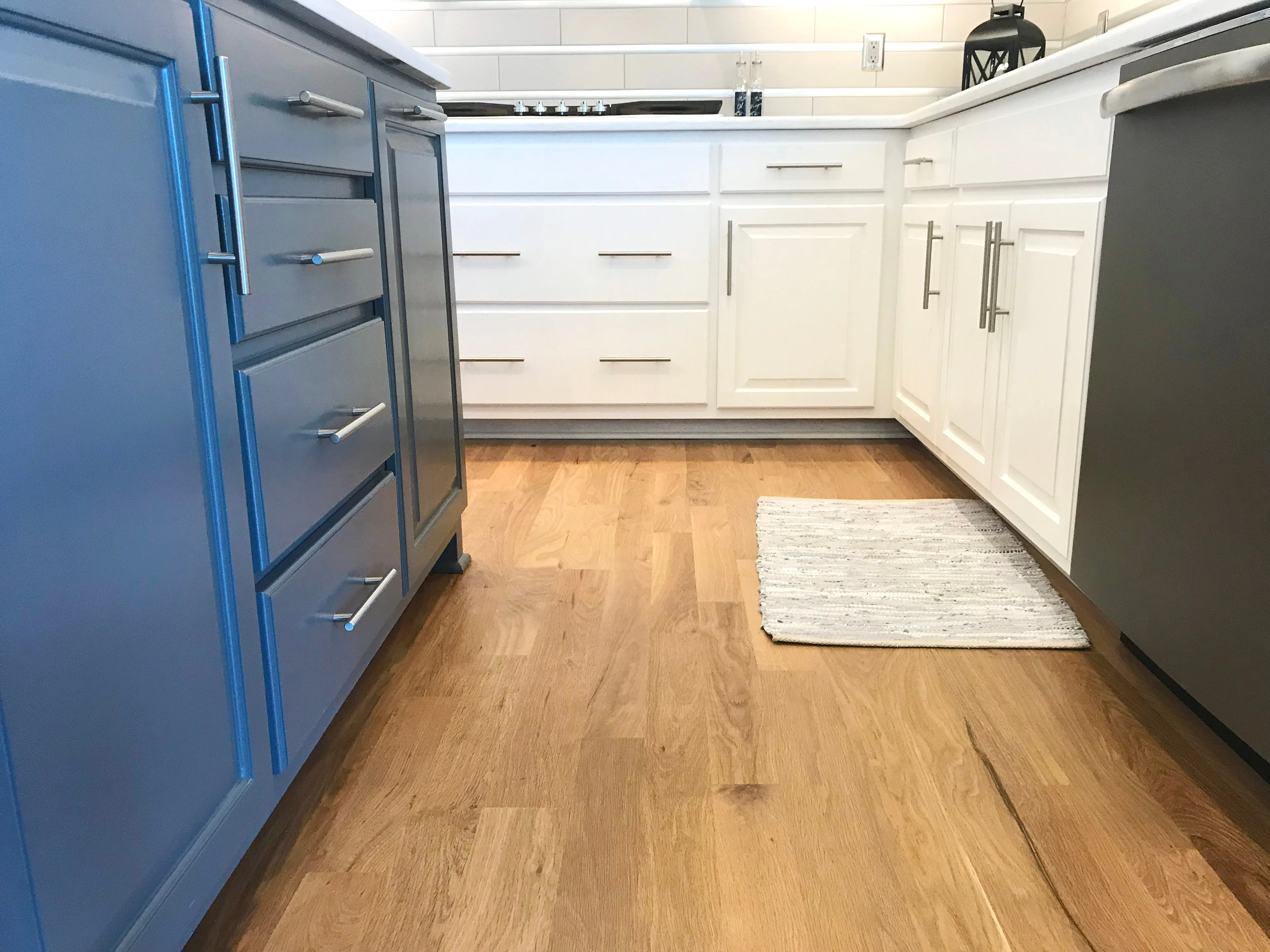
Hardwood floors add warmth and style to any home but keeping them clean takes the right approach. Because wood surfaces can be sensitive to excess moisture, it’s important to use methods that effectively lift dirt and help reduce germs without damaging the finish. With the right tools and routine, you can clean and disinfect sealed hardwood floors safely while helping them look their best over time.
Regular cleaning helps remove dirt, dust and grit that can scratch hardwood floors and dull their finish over time. Sweep or dry mop high-traffic areas daily or as needed, use a damp mop on sealed hardwood floors weekly with Clorox™ Scentiva™ Disinfecting Wet Mopping Cloths, and clean up spills immediately to help protect the floor from stains and moisture damage with Clorox™ Disinfecting Wipes to keep floors clean.
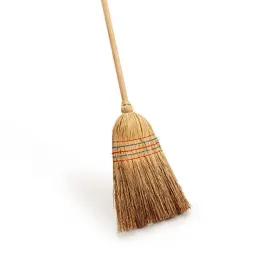
Broom
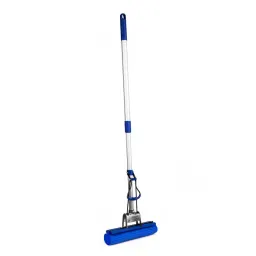
Dry mop
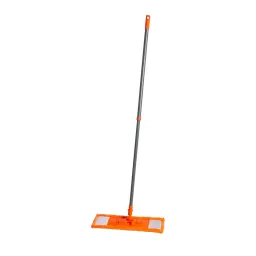
Standard sweeper head
Clean microfiber cloth

Your flooring manufacturer's care instructions
Sweep up dust, pet hair and lose debris, or use a vacuum to clean hardwood floors before disinfecting.
Attach Clorox™ Scentiva™ Disinfecting Wet Mopping Cloth to sweeper head.
Mop in small sections. Use enough cloths to ensure the floor remains visibly wet for 10 seconds to sanitize and 4 minutes to disinfect.
Let floors air dry completely. No rinsing required.
Hardwood floors can be cleaned regularly, but cleaning alone doesn’t always remove germs that get tracked into the home on shoes, pets, or everyday foot traffic. While sweeping and mopping help lift dirt and debris, disinfecting helps reduce bacteria and viruses that can linger on sealed surfaces.
When disinfecting hardwood floors, it’s important to use products designed for sealed or finished wood and to avoid excess moisture that can damage the floor over time. Clorox™ Scentiva™ Disinfecting Wet Mopping Cloths are designed to clean and disinfect sealed hardwood floors in one step. They are pre-saturated for controlled moisture and help eliminate 99.9% of viruses and bacteria, including common household germs like staph, strep, salmonella and E. coli.
Stains: For small stains, start by wiping the area with a damp microfiber cloth to remove any surface dirt. If the stain remains, use a cleaner that is recommended for your hardwood floor's finish, following the manufacturer's directions. Avoid using abrasive scrubbers or excessive moisture, as both can damage wood flooring.
Odors: To help eliminate lingering odors, clean the affected area promptly and allow the floor to dry completely. Good ventilation can also help reduce trapped odors. If an odor persists after cleaning, it may have soaked beneath the floor's finish or into the subfloor, which may require additional treatment or professional evaluation.
| Cleaner | Best for | Disinfects? | Sanitizes? |
|---|---|---|---|
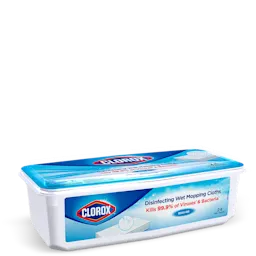
| Clorox™ Disinfecting Wet Mopping Cloths | Disinfecting sealed hardwood floors when used according to the product label | Yes | Yes |
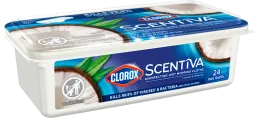
| Clorox™ Scentiva™ Disinfecting Wet Mopping Cloths | Routine cleaning and sanitizing of sealed hardwood floors and smells extraordinary | Yes | Yes |
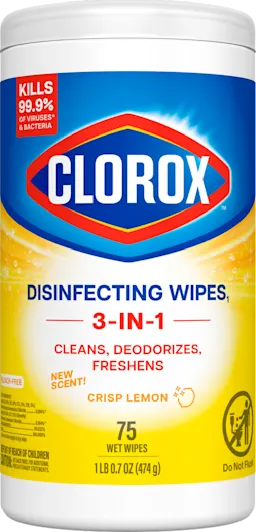
| Clorox™ Disinfecting Wipes | Cleaning up small spills, sticky messes, and everyday spot cleaning on sealed hardwood floors | Yes | Yes |
| Clorox™ Disinfecting Bleach | Disinfecting hard, nonporous surfaces when diluted and used according to the label | Yes | Yes |
| White vinegar | Removing light mineral deposits and some surface odors (if recommended by the flooring manufacturer) | No | No |
| Baking soda | Gentle spot cleaning and deodorizing small areas | No | No |
| Hydrogen peroxide 3% | Spot treating some surface stains on sealed hardwood floors (test in an inconspicuous area first) | Partial | Partial |
Not all floors should be cleaned the same way. If you're caring for a different flooring material, follow cleaning methods designed specifically for that surface to help remove dirt and stains while protecting the finish. Learn more about how to clean floors by mopping with bleach, how to clean vinyl floors with bleach, how to clean laminate floors, or how to remove stains from linoleum with our step-by-step guides.
Sweep, dust mop, or vacuum regularly to remove dirt and grit, then clean sealed hardwood with a lightly damp microfiber mop and an appropriate cleaner or disinfectant. For quick cleanup, use Clorox™ Disinfecting Wipes on small spills or Clorox™ Disinfecting Wet Mopping Cloths for routine cleaning. Always avoid excess water and follow your flooring manufacturer's care instructions.
Yes, Clorox™ Disinfecting Wipes can be used to clean and disinfect many hard, nonporous floor surfaces, including sealed wood, tile, vinyl and laminate, when used as directed. They're best for quick cleanup of spills, sticky messes, and high-touch areas. Always follow the product label and your flooring manufacturer's care instructions.
Signs of mold under a hardwood floor include a persistent musty odor, dark spots, warped or cupped boards, soft areas or moisture that doesn't dry. If you suspect mold beneath the flooring, fix the source of moisture before cleaning. Extensive mold may require professional remediation.
Yes, Clorox™ Disinfecting Bleach can be used on sealed hardwood floors when diluted and used according to the product label and your flooring manufacturer's instructions. Never apply concentrated bleach directly to wood floors, avoid oversaturating the surface, and do not use bleach on unsealed, waxed or damaged hardwood.
The best way to clean hardwood floors is to sweep, dust mop or vacuum regularly to remove dirt and grit, then clean sealed hardwood floors with a lightly damp microfiber mop and an appropriate cleaner. Wipe up spills promptly to help prevent stains and moisture damage, and use Clorox™ Disinfecting Wipes for quick spot cleaning or Clorox™ Disinfecting Wet Mopping Cloths as part of your regular floor cleaning routine on sealed hardwood floors.