Family of Brands
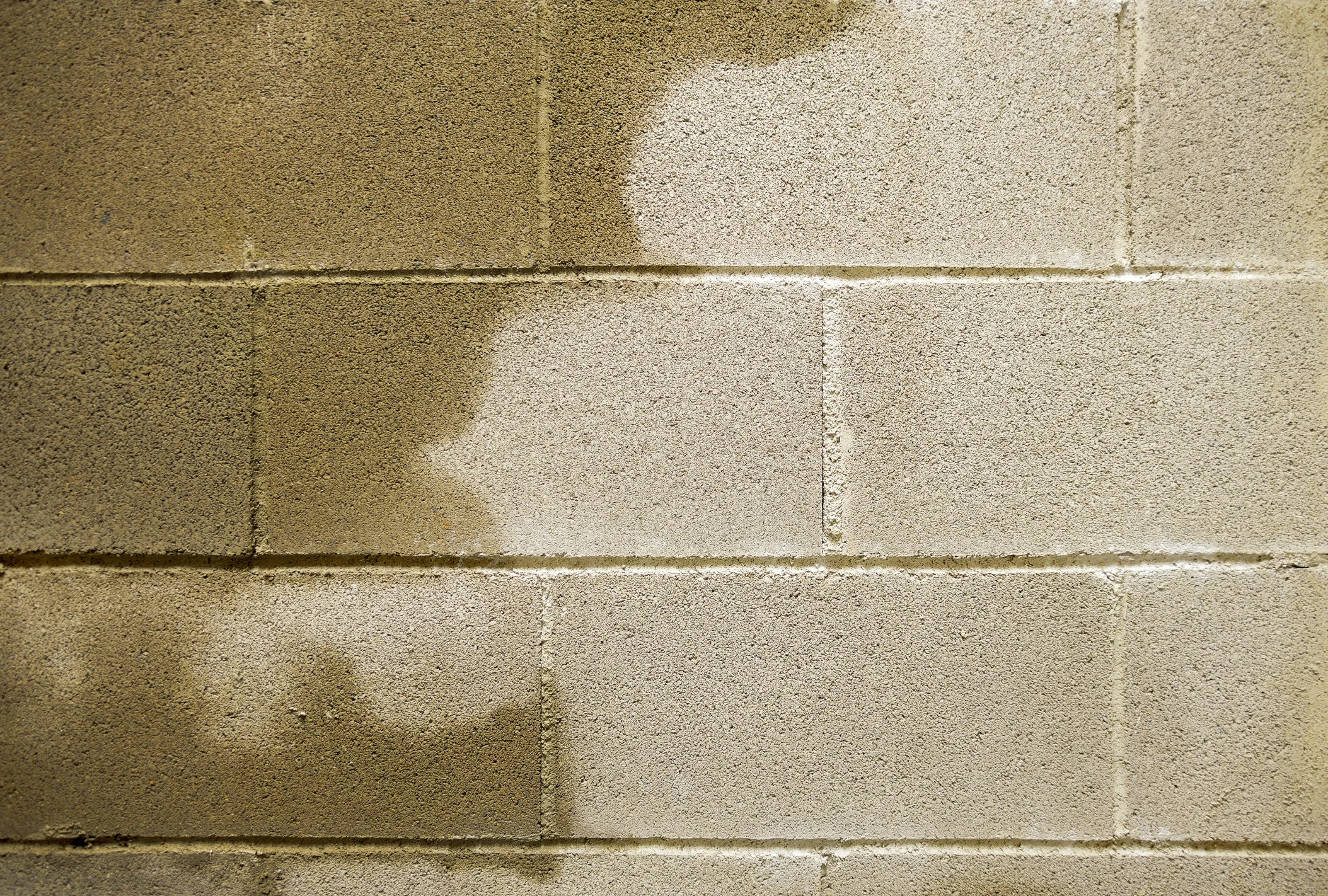
Basement cleaning and sanitizing after a flood is an important step in restoring your space. Here's what to do when there's flooding in a basement.
Flooded basements can result from heavy rain, burst pipes or groundwater seepage, leaving behind water damage, mud and potential health hazards. Here's how to clean a flooded basement once the water's gone and your basement is thoroughly dry.
Cleaning a flooded basement should begin as soon as water recedes. The faster you act, the better your chances of preventing mold, mildew and bacterial growth. Disinfecting with bleach is recommended immediately after drying, and again after any repairs or replacements.

Mop

Bucket

Scrub brush

Wet/dry vacuum

Gloves
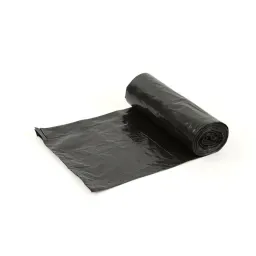
Trash bags
Use a wet/dry vacuum or pump to remove as much water as possible.
Dispose of damaged items, especially porous materials like carpet or drywall.
Use fans and dehumidifiers to reduce moisture.
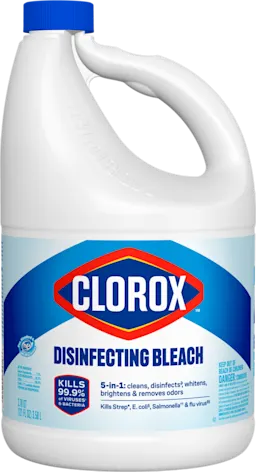
Mix ⅓ cup Clorox™ Disinfecting Bleach per every 1 gallon of water needed.
Apply solution and scrub all hard, nonporous surfaces like concrete, tile and sealed wood.
Keep surfaces visibly wet for 6 minutes.
For food-contact areas, rinse with potable water. Always follow label directions for use.
Allow surfaces to dry completely before moving items back into the space.
Homemade DIY household cleaning solutions may seem appealing, but they often lack the disinfecting power needed after a flood. Clorox™ bleach is EPA-registered to kill 99.9% of germs on hard, nonporous surfaces — making it the best choice for flood cleanup.
Use Clorox™ Disinfecting Bleach diluted with water (⅓ cup per gallon). Apply to hard nonporous surfaces, let stand for 6 minutes, then air dry. This kills 99.9% of germs and protects surfaces from future mold.
Yes. Bleach is safe for sealed concrete and other hard, nonporous surfaces. Avoid using on porous or unsealed materials.
Begin disinfecting as soon as standing water is removed and surfaces are dry. The sooner you clean, the lower the risk of mold and bacteria growth.
No. Mixing bleach with other chemicals like ammonia or vinegar can create toxic fumes. Always use bleach alone and follow label instructions.