Family of Brands
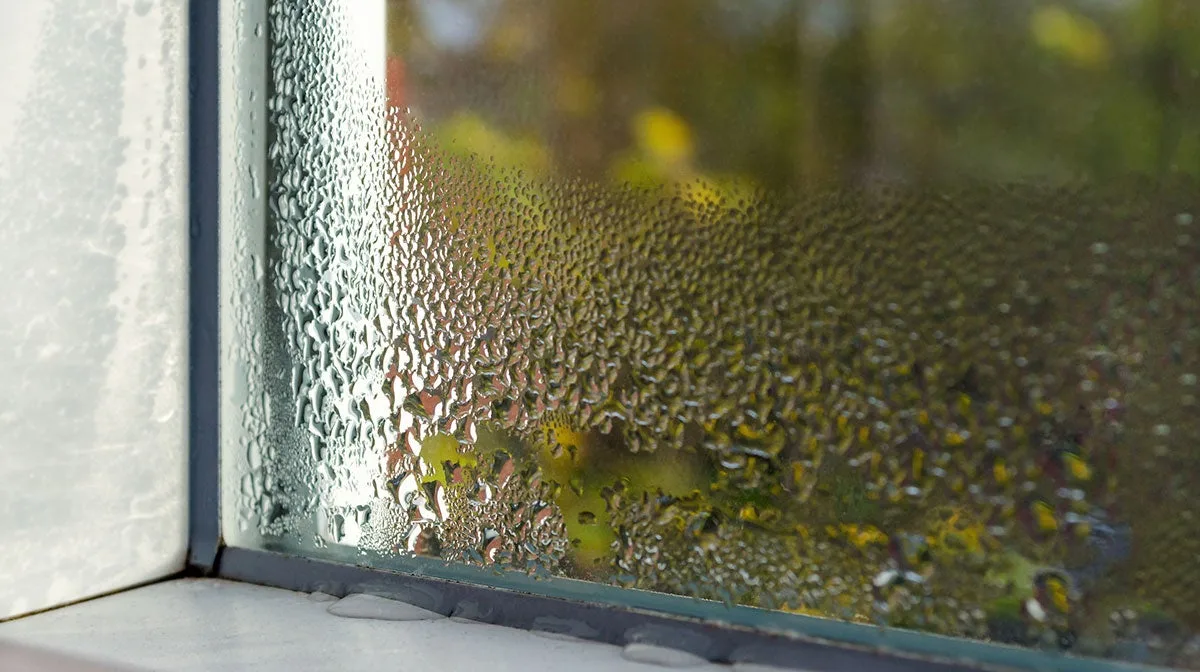
We'll show you step-by-step directions for removing mold stains from windows and windowsills with the power of Clorox™ Disinfecting Bleach.
Grime on windows is caused by buildup from dust, pollen, pollution, and moisture. Mold forms when condensation collects on windows, especially in humid or poorly ventilated areas. This moisture creates the perfect environment for mold spores to grow. Leaky seals or infrequent cleaning can make the problem worse.
Windows should be cleaned at least once a month, or more often in areas with high humidity or pollution. Regularly wipe down condensation and keep the area well-ventilated.
Mold on windows often appears as black, green or gray spots along the glass, windowsills, or in the corners of the frame. It may look fuzzy, slimy or powdery, and often forms in areas where condensation or moisture builds up.

Microfiber cloths (multiple)

White cotton washcloths
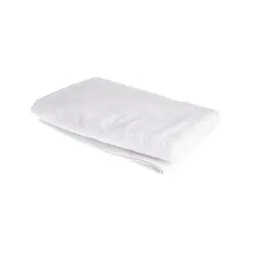
White cotton bath towel

Measuring spoons
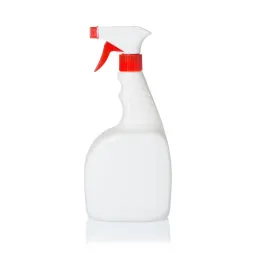
Spray bottle

Safety glasses

Gloves

Old toothbrush
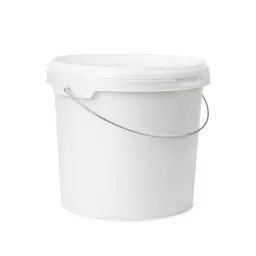
Bucket
Remove any window treatments and nearby rugs. Place a towel under the window to protect the floor.
For better ventilation, open a nearby window or use a fan to help circulate fresh air.
If mold buildup is heavy, start by wiping the area with a wet microfiber cloth to reduce the amount of organic matter. Place the used cloth in the plastic bucket to wash later.
Wearing safety glasses and gloves, fill the spray bottle with 3 cups of water, then add 3 teaspoons of Clorox™ Disinfecting Bleach. Insert the spray nozzle and adjust it to a fine mist.
Make bleach and water solutions fresh each day as they lose potency over time.
Hold a cotton washcloth under the area to catch drips, then spray the bleach solution onto the moldy areas. Keep surfaces wet for 10 minutes, spraying as needed. Use a microfiber cloth to wipe away mold and an old toothbrush for crevices.
Use multiple cloths, switching out dirty ones as you work to avoid spreading mold spores.
Dampen a clean microfiber cloth with fresh water and wipe all treated areas to remove any leftover bleach solution.
Use a clean, dry microfiber cloth to thoroughly dry the window and prevent moisture buildup.
After finishing, wash all used microfiber cloths and washcloths on a hot, heavy-duty cycle with laundry detergent and 1/3 cup of Clorox™ Disinfecting Bleach.
Never mix bleach with ammonia, vinegar, or other cleaning agents, as this can produce hazardous gases.
For visibly soiled surfaces, preclean before disinfecting.
Hold and spray Clorox™ Clean-Up™ Cleaner + Bleach 4–6 inches from surface until thoroughly wet.
Leave treated surface visibly wet for 5 minutes.
There are other do-it-yourself cleaning options but use with caution on surfaces due their acidic or abrasive qualities. Bleach is registered by the EPA to kill mold.
| Ingredient | Effectiveness & Notes |
|---|---|
| Bleach | EPA-registered disinfectant for mold. Highly effective at killing mold on hard, nonporous surfaces when properly diluted. |
| Hydrogen Peroxide (3%) | Not EPA-registered to kill mold. May reduce surface stains but not proven to eliminate mold spores. |
| White Vinegar | Not EPA-registered to kill mold. Can help clean and deodorize due to acidity. Use with caution. |
| Baking Soda | Not EPA-registered to kill mold. Mild abrasive and deodorizer. May help clean surfaces but not kill mold. |
| Lemon Juice | Not EPA-registered to kill mold. Acidic properties may help with cleaning and odor, but not effective for killing mold. |
In small amounts, mold on windows is generally not harmful. However, heavy exposure may result in respiratory issues, allergies and other health problems, particularly for those with asthma or weakened immune systems. It's important to remove mold quickly and improve ventilation to prevent further growth.
Yes, mold can grow on windows, including the glass, especially when moisture and organic debris like dust are present. While glass itself isn’t porous, condensation and poor ventilation can create the damp conditions mold needs to grow on glass or around window frames and sills. Regular cleaning with a bleach solution can help eliminate mold.
Mold on windows often appears as black, green or gray spots along the glass, windowsills, or in the corners of the frame. It may look fuzzy, slimy or powdery, and often forms in areas where condensation or moisture builds up.