Family of Brands
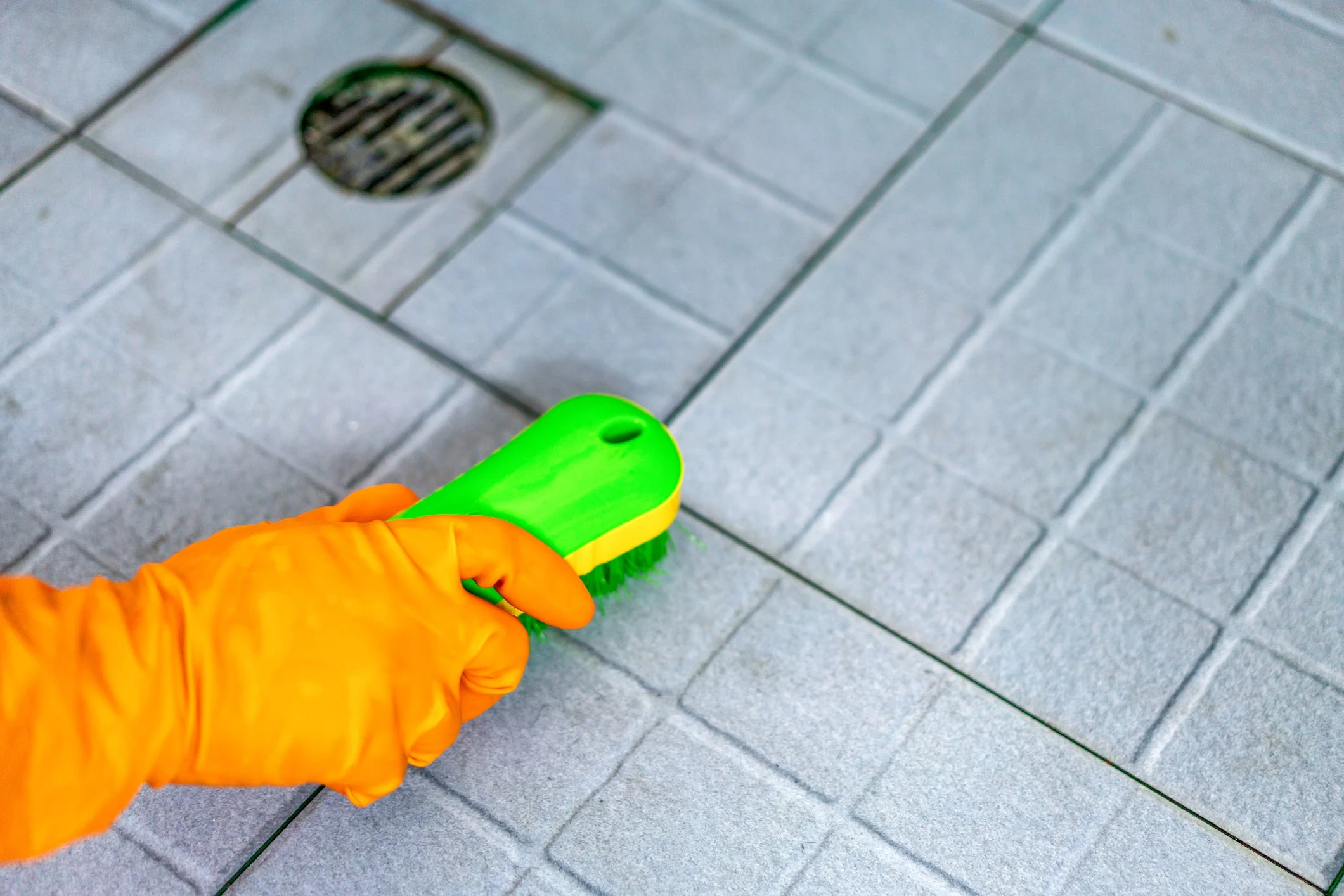
Follow these grout cleaning tips and directions for removing mold stains to refresh your bathroom grout with the power of bleach.
Floor tile grout gets dirty from trapped dirt, spills and moisture that seep into its porous surface. In damp areas like bathrooms, lingering moisture creates the perfect environment for mold stains and mildew stains to grow in the grout lines. Without regular cleaning, buildup can become deeply embedded.
Grout should be cleaned every one to two weeks to keep it bright and prevent dirt and buildup. In moisture-prone areas like bathrooms, more frequent cleaning may be needed, along with regular drying of surfaces.

Measuring cup
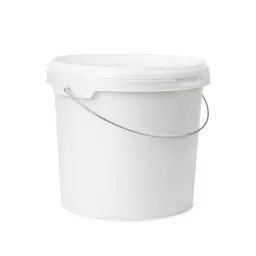
Plastic bucket

Gloves
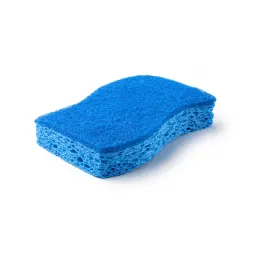
Scrubber sponge

Nylon brush
Remove any personal care items, floor mats, and shower curtains. Open a window or door to improve air circulation during cleaning.

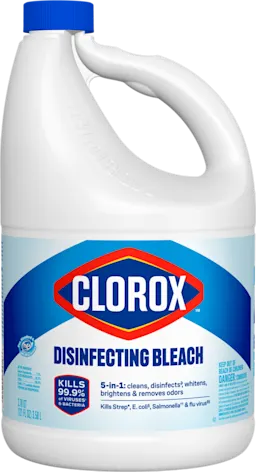
In a bucket, mix 1 gallon of water with 1/3 cup of Clorox™ Disinfecting Bleach. This dilution ratio will help remove mold stains on hard, nonporous surfaces. Wear gloves and clothing that you don’t mind getting splashed.

Use a nylon brush to apply the bleach solution to the grout and mold-stained areas. Let the solution sit on mold-stained surface for 10 minutes. Scrub heavily stained areas with the brush to effectively clean mold stains from grout. Alternatively, squeeze Clorox™ Toilet Bowl Cleaner with Bleach directly on grout and let sit for 10 minutes. Scrub heavily stained areas with the brush to effectively clean mold stains from grout.
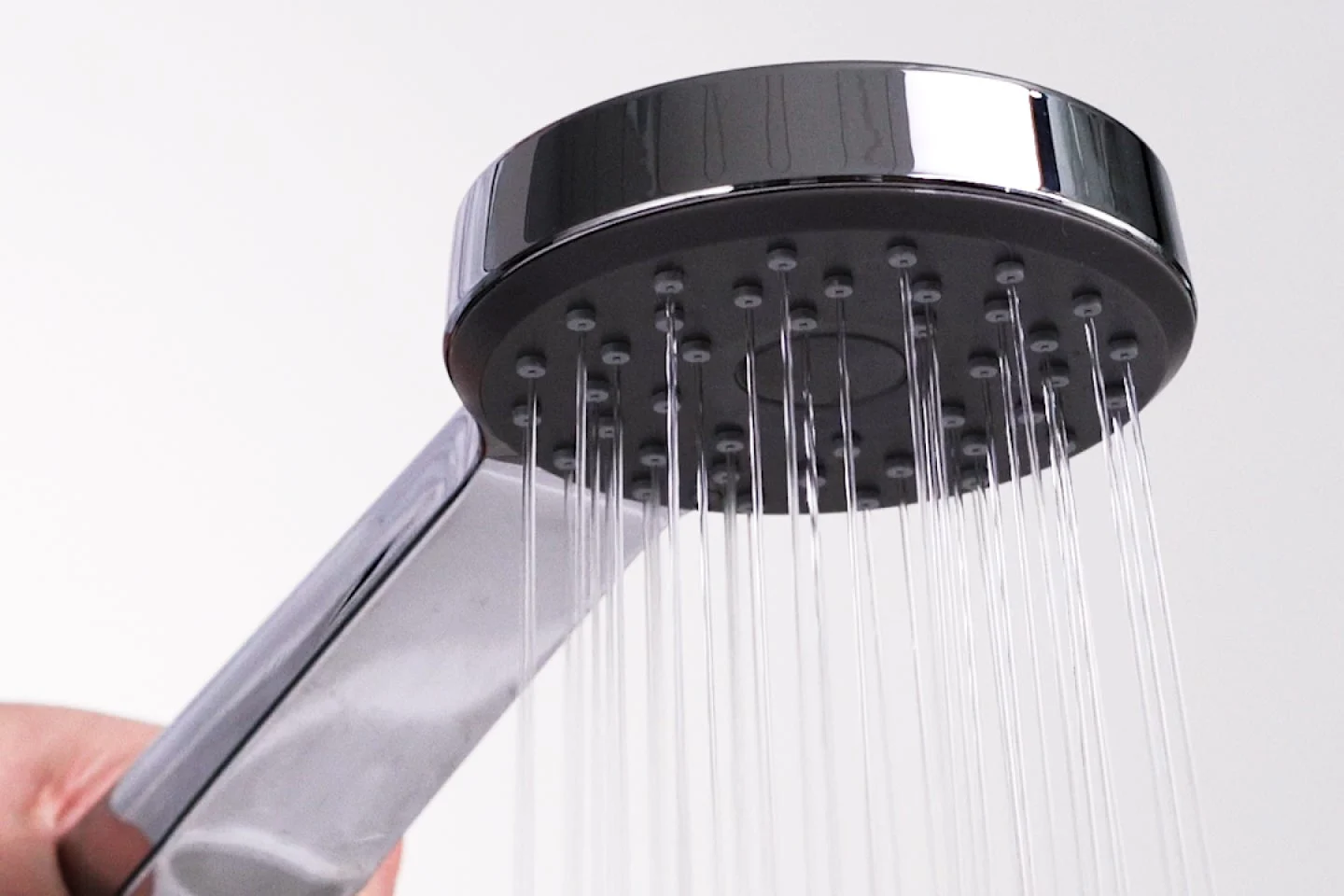
Rinse the grout and tiles thoroughly with the showerhead or a bucket of clean water. Allow the area to air dry completely before placing items back in the shower.
If you don’t have bleach on hand, here are some DIY options for cleaning mold stains in grout. But use with caution on surfaces due their acidic or abrasive qualities.
Vinegar and water solution: Mix equal parts vinegar and water in a spray bottle and apply to the grout. Let it sit for 10 minutes, then scrub and rinse.
Hydrogen peroxide: Apply hydrogen peroxide directly to the grout for a less intense cleaner. Scrub after letting it sit for several minutes.
In small amounts, mold on grout is generally not harmful. However, heavy exposure may result in respiratory issues, allergies and other health problems, particularly for those with asthma or weakened immune systems. It's important to remove mold quickly and improve ventilation to prevent further growth.
Regularly clean sealed grout with a Clorox™ Disinfecting Bleach solution as directed. A best practice with grout care is to keep your floors and walls dry by improving ventilation in bathrooms and kitchens. Use an exhaust fan or open windows to reduce humidity. Sealing grout with a high-quality grout sealer can help prevent mold by creating a protective barrier that resists moisture.
The best way to clean a bathtub and shower depends on the type of buildup and whether you also want to disinfect the surface. When used as directed, Clorox™ Disinfecting Bleach helps clean and disinfect hard, nonporous bathroom surfaces in one step.
Start by removing loose dirt, then clean tile and grout with an appropriate cleaner for the surface. For step-by-step instructions on cleaning grout, see How to Clean Grout Stains, and for guidance on cleaning and disinfecting tile floors, visit How to Clean Tile Floors. Cleaning tile and grout regularly helps prevent soap scum, stains and grime from building up over time.