Family of Brands

Here’s how you can use the power of Clorox™ bleach to remove mold and mildew on your bathroom tile.
Tile floors get dirty from tracked-in soil, spills and dust that settle into the grout. In bathrooms, frequent moisture from showers and poor ventilation create a damp environment. This moisture gets trapped in grout lines, leading to mold and mildew growth. Regular drying and airflow help prevent it.
Tile floors should be cleaned once a week to prevent dirt buildup and staining. Bathroom tile floors should be cleaned at least once a week, and more often in high-moisture areas to remove mold and mildew. Wiping down wet spots daily can also help prevent mold stains and make tough jobs easier to tackle.
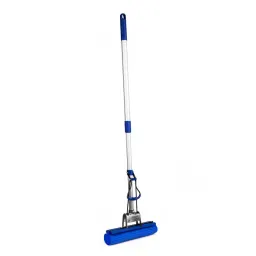
Mop or sponge
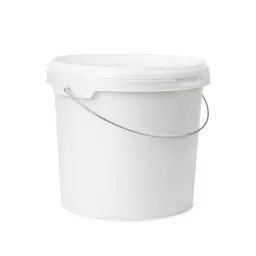
Plastic bucket
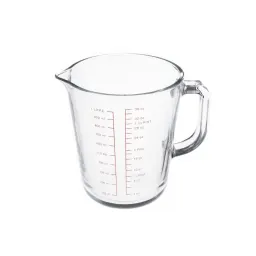
Measuring cup

Gloves
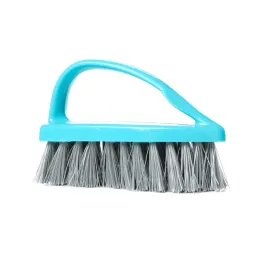
Scrub brush
Move all furniture and household accessories such as trash cans out of the way.
For a deeper clean, sweep the floor before mopping to remove the excess dirt.
Start at the farthest corner and work backward toward the door.
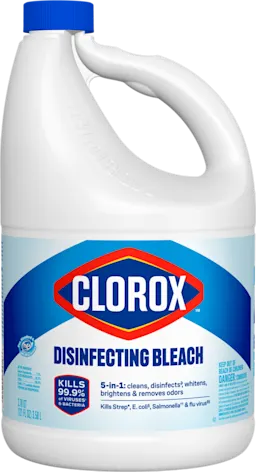
Pour 1/3 cup of Clorox™ Disinfecting Bleach with CLOROMAX® into 1 gallon of water.
Mop the floor with bleach solution. Overlap each stroke as you mop the floor for double-duty cleaning. Use a scrub brush for those stubborn areas.
Wait 6 minutes for disinfecting.
Rinse thoroughly.
Remove all cleaning items and let the floor air dry.
If you don’t have bleach on hand, here are some DIY options for cleaning mold stains on bathroom tiles. But use with caution on surfaces due their acidic or abrasive qualities. Bleach is the only cleaner registered by the EPA to kill mold.
| Ingredient | Effectiveness & Notes |
|---|---|
| Bleach | EPA-registered disinfectant for mold. Highly effective at killing mold on hard, nonporous surfaces when properly diluted. |
| Hydrogen Peroxide (3%) | Not EPA-registered to kill mold. May reduce surface stains but not proven to eliminate mold spores. |
| White Vinegar | Not EPA-registered to kill mold. Can help clean and deodorize due to acidity. Use with caution. |
| Baking Soda | Not EPA-registered to kill mold. Mild abrasive and deodorizer. May help clean surfaces but not kill mold. |
| Lemon Juice | Not EPA-registered to kill mold. Acidic properties may help with cleaning and odor, but not effective for killing mold. |
To disinfect tile floors, sweep or vacuum first to remove debris. Then, mop with warm water and a disinfectant cleaner safe for tile. For ceramic or porcelain tiles, use a diluted bleach solution (1/3 cup bleach per gallon of water). Always follow product instructions and ensure proper ventilation when using bleach.
Yes, mold can grow on tile surfaces, especially in areas with high moisture like bathrooms. While ceramic tile itself is nonporous, mold can develop on the surface film of soap scum, grime, or in porous grout lines between the tiles. Warm, damp environments and poor ventilation increase the risk of mold growth on tiles.
To remove paint from tile floors, gently scrape off dried paint with a plastic scraper or putty knife. For stubborn spots, apply a small amount of rubbing alcohol or acetone on a cloth and blot the paint — test on a hidden area first. Avoid harsh abrasives that can scratch the tile surface. After removing the paint, clean the area with a tile-safe cleaner to remove residue.