 Family of Brands
Mold on walls and ceilings is typically caused by excess moisture from sources like leaks, high humidity, or poor ventilation. When damp conditions persist, mold spores can settle and grow on surfaces, often spreading quickly. It's important to kill mold as it can cause damage to your home and significantly impact your indoor air quality and overall health. Note: if the mold has a surface area larger than 10 square feet, call a mold remediation professional.
Yes, and it works by breaking down mold cells on surfaces. Knowing the right concentration of bleach is key to making your solution effective and safe. Read on to learn the correct bleach-to-water ratio for removing mold, straight from the experts at Clorox.
Mold on walls and ceilings often appear as black, green, gray or brown spots or patches. It may look fuzzy, slimy, or powdery and can grow in clusters. Mold is commonly found in corners, near ceilings or around windows where moisture accumulates. Sometimes it’s accompanied by a musty odor even before it's visibly noticeable.
The contact time for Clorox™ Disinfecting Bleach to kill mold on hard, nonporous surfaces is 10 minutes. It’s important to let the bleach solution sit during this time before scrubbing or rinsing. For best results, always follow up by drying the area thoroughly to prevent mold from returning. Always check the product label for specific instructions and test on a small area before use.
To kill mold, mix ⅓ cup of Clorox™ Disinfecting Bleach per gallon of water. Always apply in a well-ventilated area and never mix bleach with other cleaners like ammonia or acids.
Water
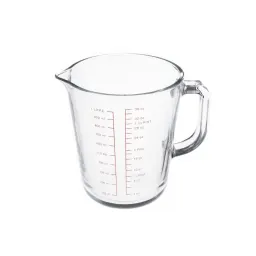
Measuring cup
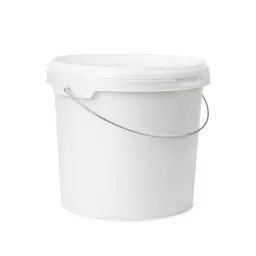
Bucket
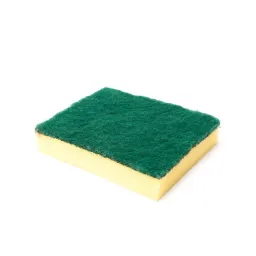
Sponge or scrub brush
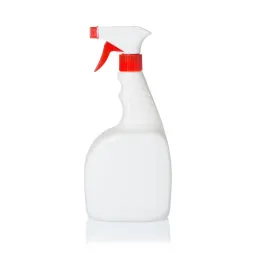
Spray bottle

Rubber gloves
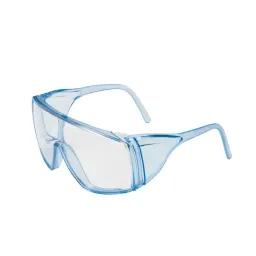
Eye protection
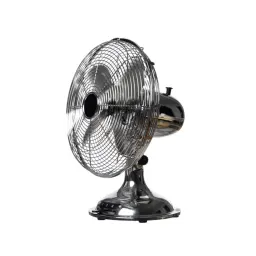
Fan
• N95 respirator or face mask
Open windows and ventilate the area where you are working to circulate fresh air.

If mildew is heavy, pre-clean by wiping away as much as you can before bleaching.

Using your measuring cup and bucket, measure ⅓ cup Clorox™ Disinfecting Bleach per gallon of water (1500 ppm available chlorine solution).
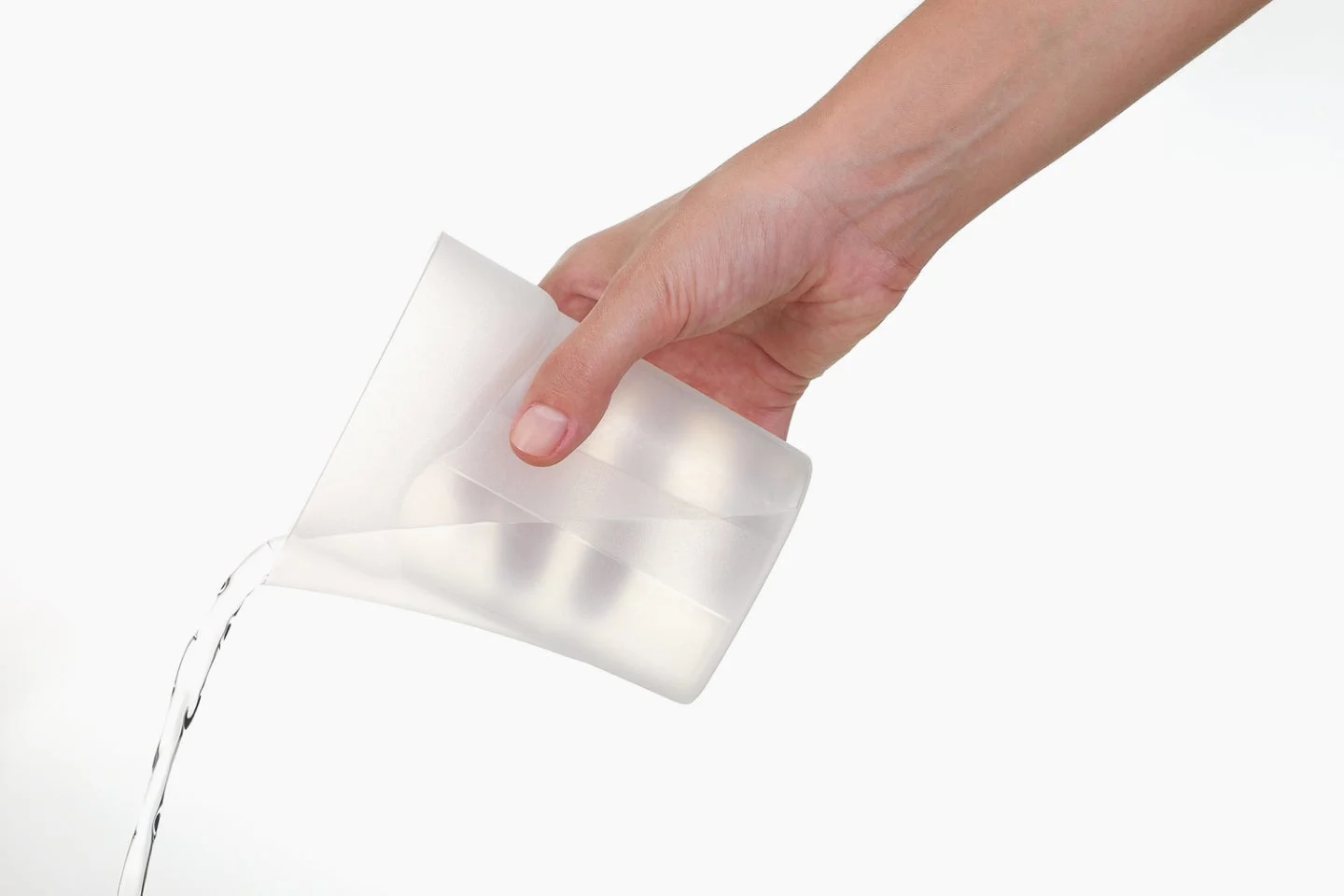
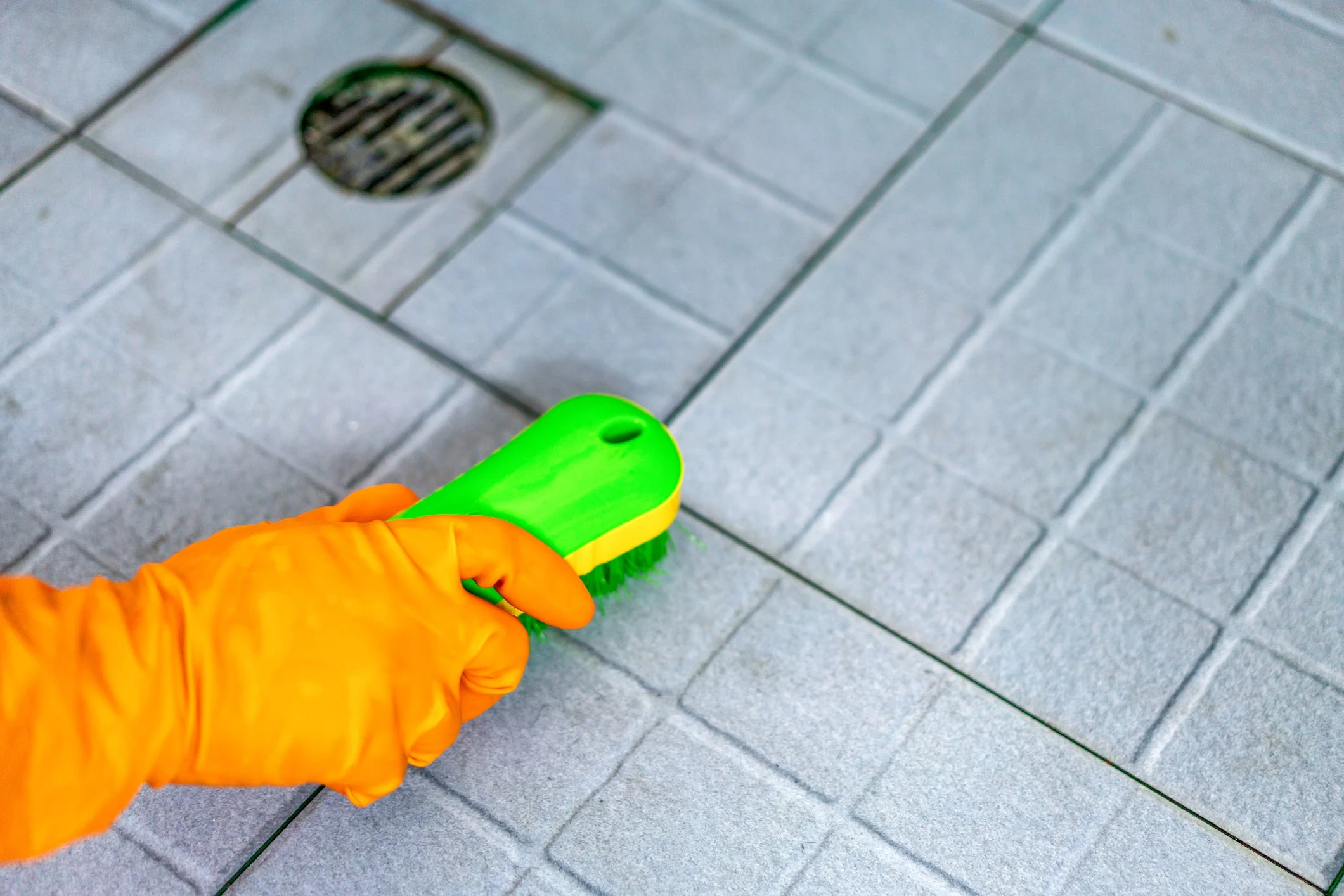
Wearing gloves, apply the solution to the affected area with a sponge or brush.
Use a spray bottle for more convenience.
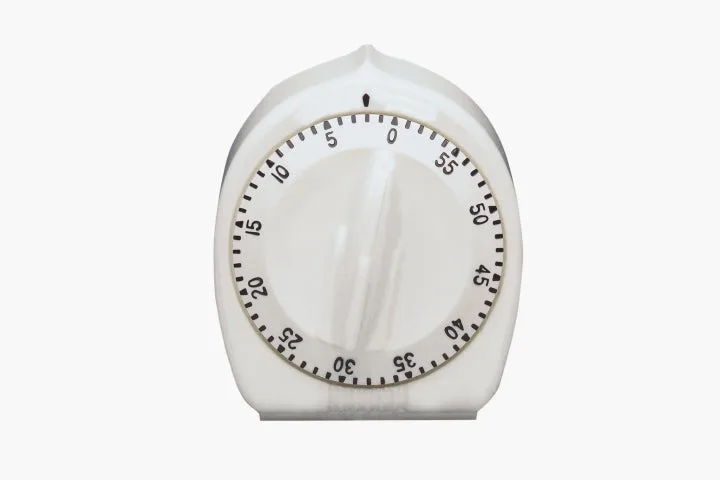
Allow it to sit in contact with the mildew for 10 minutes. If needed, reapply the bleach and water solution to keep the surface wet.
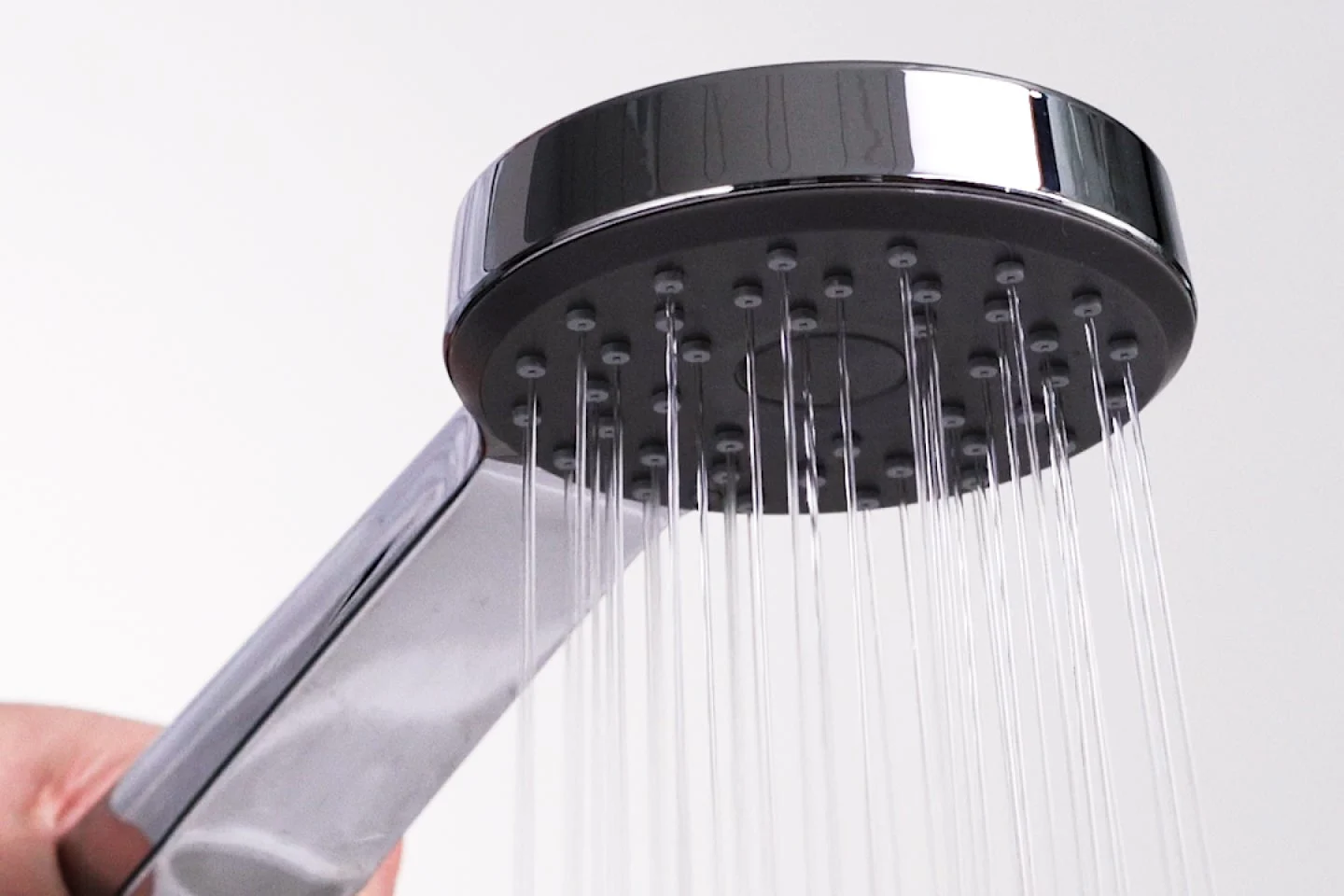
Rinse the affected area with clean water.
Allow to air dry. You may use a fan for quicker drying time.
If you used a spray bottle, be sure to rinse it out.
To prevent mold, you’ll want to minimize the presence of moisture. Fixing leaks, using dehumidifiers and improving ventilation can help, especially in bathrooms and kitchens. Keep surfaces dry and clean, and use exhaust fans when cooking or showering. Regularly check for condensation or damp spots to catch mold early.
Clorox™ Disinfecting Wipes are designed to clean and disinfect hard, nonporous surfaces, but they do not kill mold. However, they can be used to prevent the growth of mildew on hard, nonporous surfaces. For mold cleanup on bleach-safe, hard, nonporous surfaces, follow the product label directions for Clorox™ Disinfecting Bleach.
Clorox™ Disinfecting Bleach can help kill and remove mold on bleach-safe, hard, nonporous surfaces throughout your home when used according to the product label. For more tips on cleaning mold and mildew in bathrooms, kitchens, basements and other areas, explore our Mold & Mildew Tips page.
Mold on the ceiling or walls is typically caused by excess moisture and poor ventilation. Common sources include roof leaks, plumbing issues, high humidity, or steam from showers and cooking. The root issue is usually a combination of dampness and lack of airflow, which creates the perfect environment for mold growth.
Only bleach is registered with the EPA to kill mold. Vinegar has not been proven to be effective on mold with the EPA, a nationally recognized authority on mold claims.
Mold begins to die at temperatures above 140°F (60°C), but sustained heat is required to be effective.1 Simply warming an area isn’t enough—high heat must reach deep into porous materials to fully kill mold. For lasting results, combine heat with moisture control and proper cleaning.
Bleach can help kill mold on hard, nonporous surfaces like painted walls and ceilings when used as directed. Clorox™ Disinfecting Bleach can help remove mold and mildew stains while disinfecting surfaces, making it a useful option for addressing visible mold growth on appropriate surfaces. Always follow label directions and ensure proper ventilation when using bleach.
Boiling water may kill some mold on hard, nonporous surfaces, but it won't remove mold stains or reliably eliminate mold growing below the surface of porous materials. After cleaning away visible mold, disinfect bleach-safe, hard, nonporous surfaces with Clorox™ Disinfecting Bleach according to the product label.
When used according to the product label on bleach-safe, hard, nonporous surfaces, Clorox™ Disinfecting Bleach helps kill mold and remove mold stains, it doesn't hide them. Bleach is not recommended for treating mold on porous materials.
