 Familia de marcas
Cómo eliminar las manchas de moho en el inodoro y prevenirlas
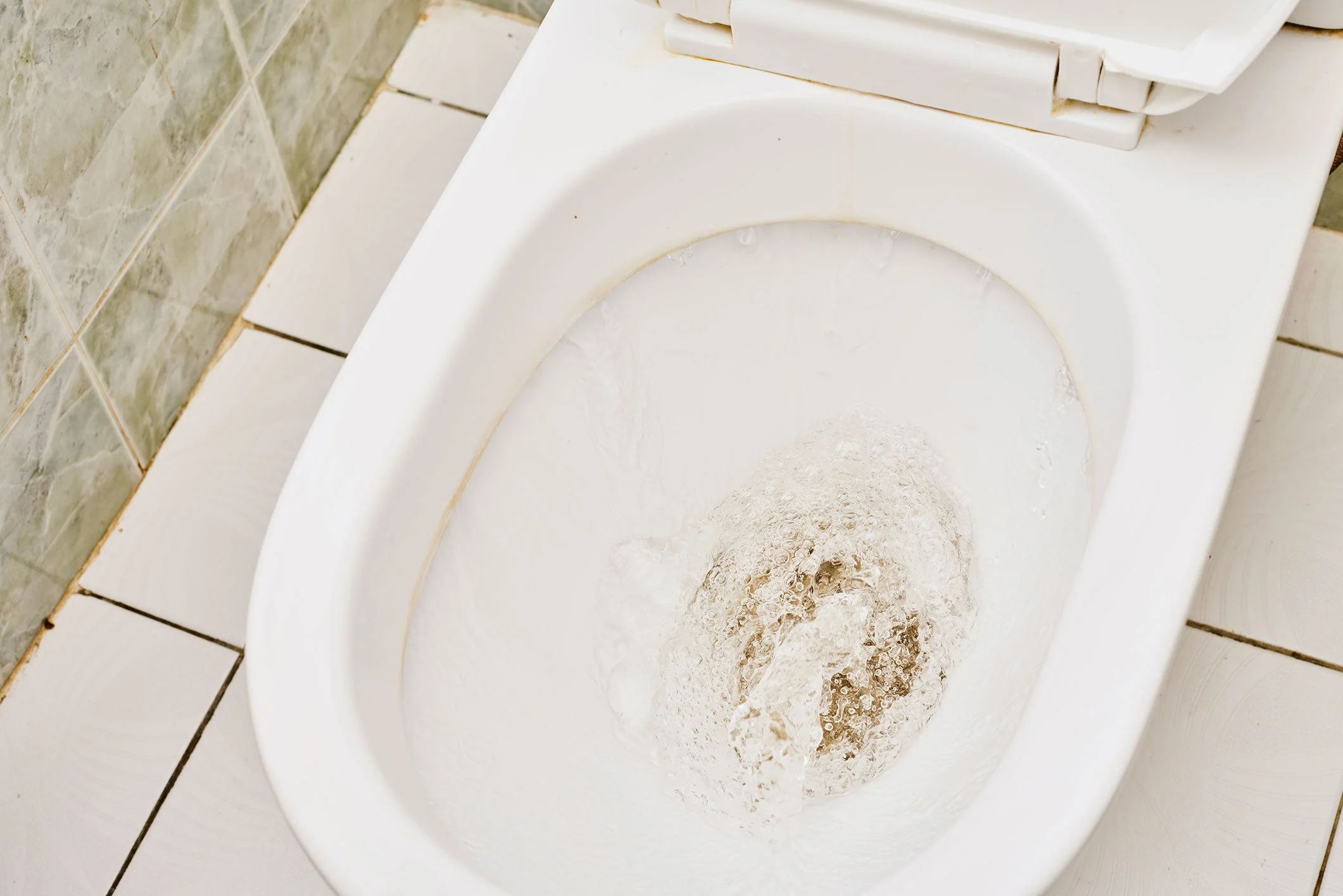
La limpieza periódica de la taza del inodoro con productos que contienen hipoclorito de sodio ayuda a solucionar los problemas de moho. Por eso, los limpiadores de inodoros que contienen blanqueador te harán ese trabajo más cómodo y fácil.
Mold in the toilet is caused by lingering moisture, poor ventilation, and infrequent cleaning. It often forms in the bowl, under the rim, or in the tank where water sits still. Humid environments and organic debris make it easier for mold to grow, forming stains in the toilet.
How often should I clean the toilet to prevent mold?
To prevent mold stains, toilets should be cleaned at least once a week. In humid environments or homes with hard water, more frequent cleaning may be needed to stop mineral buildup and mold growth.
What should I use to remove mold stains in toilets?
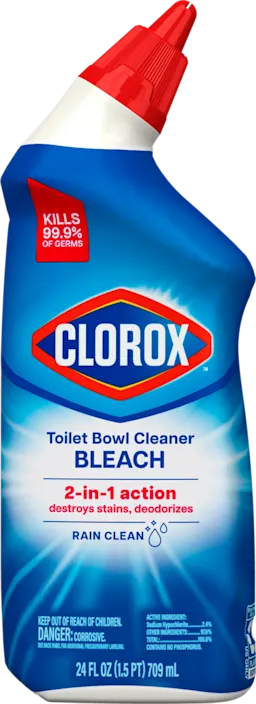
Clorox™ Toilet Bowl Cleaner – with Bleach

Clorox™ Toilet Bowl Cleaner - Clinging Bleach Gel
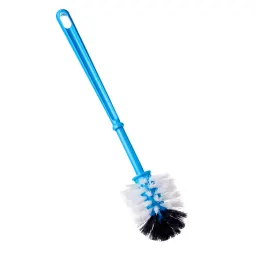
Cepillo para inodoros
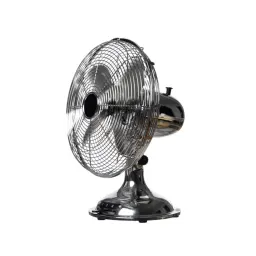
Ventilation (open window or fan)
Pasos para limpiar moho en la taza del inodoro
Abre la tapa del producto
Aprieta los lados de la tapa a prueba de niños, por donde lo indican los símbolos, y gírala ¼ de vuelta en sentido contrario a las agujas del reloj. La tapa no se puede quitar.
Baja el agua del inodoro
Descarga el inodoro de modo que solo quede agua en la taza antes de limpiarla.
Aplica el limpiador
Aplica 6 oz. del producto por debajo y alrededor del borde de la taza del inodoro hasta cubrir su interior. Cierra la tapa del producto.
Cepilla las superficies
Usa un cepillo rígido para frotar el limpiador por todo el interior de la taza del inodoro, incluso por debajo del borde, y luego espera 10 minutos antes de descargar el agua.
ConsejoNo dejes que los niños o mascotas entren al baño durante este tiempo.
Do-it-yourself alternatives to remove mold stains in the toilet
If you don’t have bleach on hand, here are some DIY options for cleaning mold stains in the toilet. But use with caution on surfaces due their acidic or abrasive qualities.
- Vinegar and water solution: Mix equal parts vinegar and water in a spray bottle and apply to the grout. Let it sit for 10 minutes, then scrub and rinse.
- Hydrogen peroxide: Apply hydrogen peroxide directly to the grout for a less intense cleaner. Scrub after letting it sit for several minutes.
Tips for how to clean toilets with bleach
- Utiliza la proporción correcta de blanqueador y agua: https://www.clorox.com/es/aprender/tabla-de-proporciones-de-dilucion-de-blanqueador/
- Usa soluciones recién preparadas — el blanqueador se degrada con el tiempo cuando está diluido.
- Nunca mezcles blanqueador con vinagre, amoníaco ni ningún otro limpiador — puede crear vapores peligrosos.
- Utiliza guantes protectores y asegúrate de tener buena ventilación mientras limpias.
Preguntas frecuentes
- Why is there mold in my toilet bowl?
Mold in the toilet bowl is caused by excess moisture and poor ventilation. The humid environment in the bathroom, combined with water sitting in the bowl for extended periods, creates an ideal breeding ground for mold. Mold can also develop in toilets that are rarely cleaned or in areas with low airflow, where moisture is trapped and allowed to accumulate.
- What is the best way to clean a toilet bowl?
The best way to clean a toilet bowl is to use a disinfecting bleach-based cleaner like Clorox™ Toilet Bowl Cleaner with Bleach or Clorox™ Clinging Bleach Gel as directed. Check out our step-by-step guide for best results. Be sure there’s proper bathroom ventilation when cleaning, and flush unused toilets regularly to avoid stagnant water.
- Is toilet mold dangerous?
Toilet mold is generally fine, but heavy exposure may result in allergic reactions, respiratory irritation or worsen asthma symptoms, particularly in sensitive individuals. Prompt removal and regular cleaning are important to reduce health risks.