Familia de marcas

Aquí te mostramos cómo puedes usar el poder del blanqueador Clorox™ para eliminar el moho y los hongos de los azulejos y baldosas de tu baño.
Los pisos de baldosas se ensucian con la tierra que arrastran los zapatos, los derrames y el polvo que se acumula en la lechada. En los baños, la humedad frecuente de las duchas y la mala ventilación crean un ambiente húmedo. Esta humedad queda atrapada en las líneas de lechada, lo que provoca la aparición de moho y hongos. Secar las superficies con regularidad y permitir una buena circulación de aire ayuda a prevenir el moho.
Los pisos de baldosas deben limpiarse una vez por semana para evitar la acumulación de suciedad y las manchas. Los pisos de baldosas del baño deben limpiarse al menos una vez por semana, y con mayor frecuencia en áreas con mucha humedad para eliminar el moho y los hongos. Limpiar las zonas húmedas a diario también puede ayudar a prevenir las manchas de moho y te hará más fácil la limpieza.
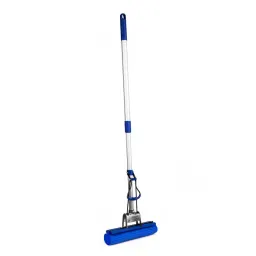
Trapeador o esponja
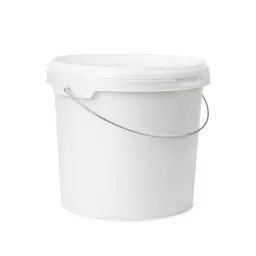
Balde / cubeta de plástico
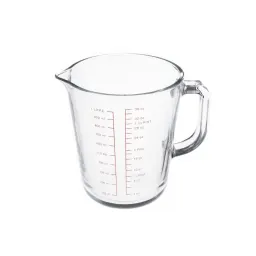
Taza de medir
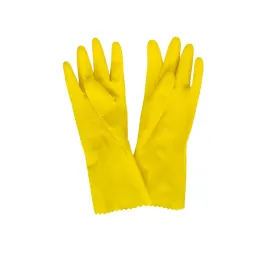
Guantes
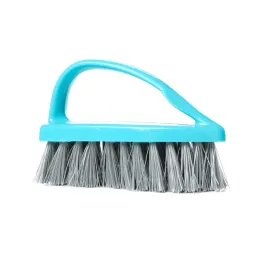
Cepillo para frotar
Mueve a un lado todos los muebles y objetos de la casa que estén en el piso como botes de basura.
Para una limpieza más profunda, barre el piso antes de trapear para remover el exceso de suciedad.
Planea comenzar en la esquina más alejada e ir retrocediendo hacia la puerta.
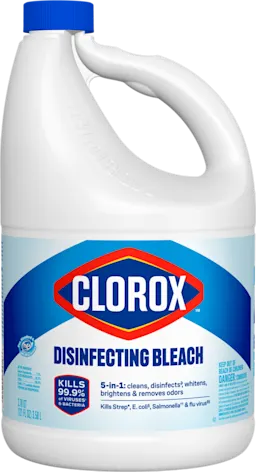
Vierte 1/3 de taza de Clorox™ Disinfecting Bleach with CLOROMAX® en 1 galón de agua.
Trapea el piso con la solución de blanqueador. Asegúrate de sobreponer cada pasada del trapeador para que no te falte limpiar ningún espacio y la eficacia sea doble. Usa un cepillo de cerdas firmes para frotar esas áreas difíciles.
Espera 6 minutos a que el piso se desinfecte.
Enjuaga bien el piso.
Retira todos los artículos de limpieza y deja que el piso se seque al aire.
Existen otras opciones caseras, pero debes usarlas con precaución debido a que sus cualidades ácidas o abrasivas que pueden dañar las superficies. El blanqueador está registrado por la EPA para eliminar el moho.
| Ingredientes | Efectividad y notas |
|---|---|
| Blanqueador | Desinfectante registrado por la EPA para matar el moho. Altamente eficaz para eliminar el moho en superficies duras no porosas cuando se diluye correctamente. |
| Peróxido de hidrógeno (3%) | No está registrado por la EPA para eliminar el moho. Puede reducir las manchas de la superficie, pero no está comprobado que mate las esporas de moho. |
| Vinagre blanco | No está registrado por la EPA para eliminar el moho. Puede ayudar a limpiar y desodorizar debido a su acidez. Úsalo con precaución. |
| Bicarbonato de sodio | No está registrado por la EPA para eliminar el moho. Es un abrasivo suave y desodorizante. Puede ayudar a limpiar superficies, pero no a eliminar el moho. |
| Jugo de limón | No está registrado por la EPA para eliminar el moho. Sus propiedades ácidas pueden ayudar con la limpieza y los olores, pero no es eficaz para matar el moho. |
Para desinfectar los pisos de baldosas o azulejos, primero barre o aspira para quitar los residuos. Luego, trapea con agua tibia y un limpiador desinfectante apto para baldosas. Para baldosas de cerámica o porcelana, usa una solución diluida de blanqueador (1/3 de taza de blanqueador por cada galón de agua). Siempre sigue las instrucciones del producto y asegúrate de tener una ventilación adecuada al usar blanqueador.
Sí, el moho puede crecer en las superficies de baldosas o azulejos, especialmente si están en áreas con mucha humedad como los baños. Aunque la baldosa de cerámica en sí no es porosa, el moho puede crecer en la película superficial de residuos de jabón, suciedad o en las líneas porosas de la lechada entre las baldosas o azulejos. Los ambientes cálidos y húmedos, junto con una mala ventilación, aumentan el riesgo de que aparezca moho en las baldosas y azulejos.
Para quitar pintura de los pisos de baldosas o azulejos, raspa suavemente la pintura seca con un raspador o espátula de plástico. Para las manchas difíciles, aplica una pequeña cantidad de alcohol isopropílico o acetona en un paño y da toquecitos sobre la pintura — prueba primero en un área poco visible. Evita los abrasivos fuertes que puedan rayar la superficie de la baldosa o azulejo. Después de quitar la pintura, limpia el área con un limpiador seguro para baldosas y azulejos para eliminar los residuos.